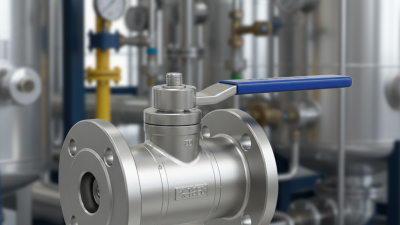
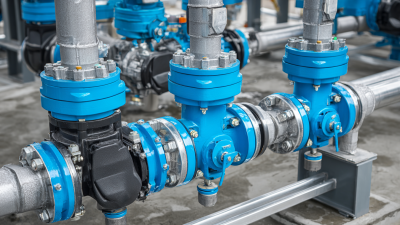
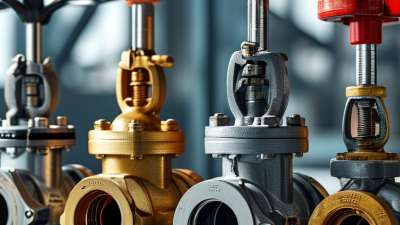
In 2026, global buyers are examining threaded ball valves more carefully than ever. A compact valve can control water, air, oil, or process media. Yet one unsuitable thread, seal, or pressure rating can create costly maintenance problems. This guide introduces the 3 threaded ball valve categories attracting international attention: brass threaded ball valves, stainless steel threaded ball valves, and three-piece threaded ball valves.
Each type serves a different purchasing situation. Brass models often suit water lines, compressed air, and general utility systems. Stainless steel versions offer stronger corrosion resistance in chemical, marine, and food-processing environments. Three-piece designs provide easier servicing because technicians can remove the valve body without disturbing the connected threads. That detail matters beside a crowded production line.
Valve engineering consultant Richard W. Haines states, “A ball valve earns trust at the thread, not in the brochure.” This practical reminder supports a careful buying process. Buyers should compare NPT, BSP, or metric threads before ordering. They should also verify working pressure, temperature range, bore size, handle clearance, and seal material. Certification documents and batch traceability deserve equal attention.
Small details decide performance.
Still, no category is perfect. Brass may disappoint in aggressive media. Stainless steel can exceed a project’s budget. Three-piece construction may require more installation space. These limitations are easy to overlook in a polished product listing. The following comparison focuses on real operating conditions, not only catalogue specifications. It also encourages buyers to question assumptions before selecting a 3 threaded ball valve for global distribution.
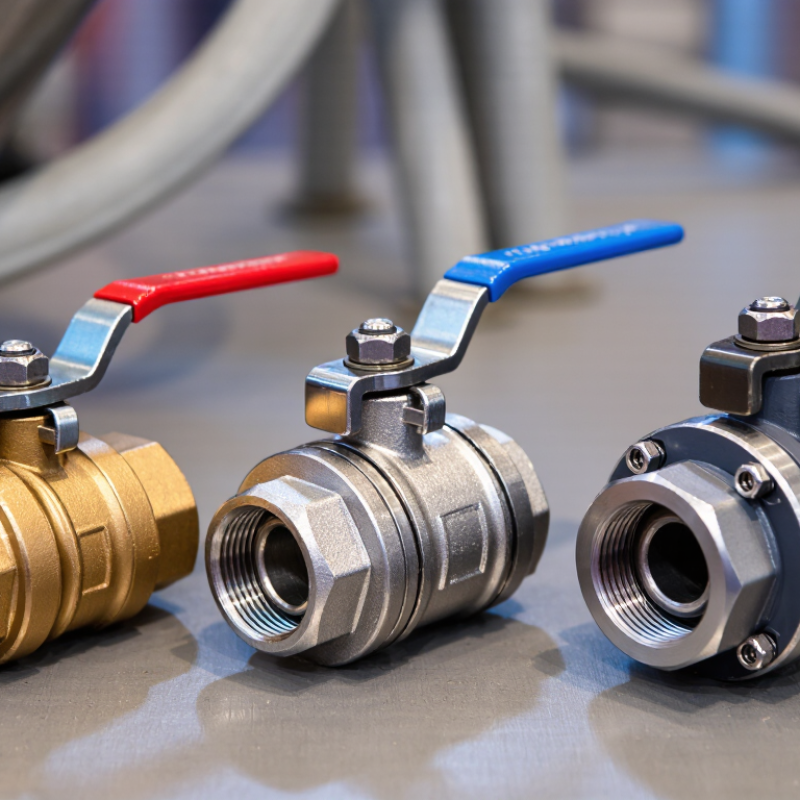
Threaded ball valves control fluid flow through a rotating ball with a drilled passage. Common types include female-female, male-female, and male-male connections. Female-female models suit pipes with external threads, while male-female designs simplify transitions between fittings. Male-male valves can connect two internally threaded components, but installation space may be limited.
The main structure includes a valve body, ball, stem, seats, seals, and handle. The ball turns around its central axis. When the bore aligns with the pipeline, fluid passes through. A quarter-turn rotates the bore across the flow, creating shutoff. Seats press against the ball and reduce leakage. Materials and seal selection must match pressure, temperature, and media conditions. A stainless steel body may suit corrosive service, while reinforced polymer seats can support specific temperature ranges. Specifications still require careful checking.
Tips: Confirm the thread standard before ordering. NPT and BSP threads are not automatically interchangeable. Check port size, pressure class, temperature range, and installation direction. Avoid using the handle to force a misaligned valve. That mistake is common. It can damage threads or seals. In field work, thread engagement is sometimes judged too casually, especially in cramped spaces. A visual check helps, but it is not enough. Use suitable sealing methods and test the assembled connection gradually. Each application deserves a fresh review.
Global buyers need more than a low purchase price when selecting threaded ball valves. Grand View Research reports that the global industrial valves market is expanding steadily, with process industries driving demand for compact isolation equipment. For 2026 purchasing plans, three threaded designs deserve close attention: female-to-female, male-to-female, and three-piece valves.
Female-to-female valves suit standard pipe runs, water systems, and compressed-air lines. They are compact and widely available. Male-to-female valves simplify connections between different fittings, especially inside skids or crowded instrument panels. Three-piece threaded valves allow the center body to be removed without disturbing the pipe ends. That feature matters during seal replacement and routine inspection. It also adds cost and more assembly points.
According to MarketsandMarkets, industrial valve demand is supported by oil and gas, chemical processing, and water infrastructure investment. Buyers should verify pressure class, temperature range, thread standard, seat material, and media compatibility. NPT and BSPT threads are not interchangeable. A practical mistake is treating “stainless steel” as a complete specification. It is not. Body, stem, ball, and seat materials may differ significantly. Field experience also shows that poor thread sealing and excessive tightening cause many avoidable leaks. Reported market growth is encouraging, but forecasts cannot replace application testing, clear documentation, and supplier quality records.
For global buyers, the three practical threaded ball valve types are brass, stainless steel, and carbon steel. Brass suits clean water, air, and moderate-temperature service. Stainless steel handles corrosive fluids, outdoor exposure, and hygienic installations. Carbon steel offers strength for industrial lines, but it needs suitable protection against rust. A 2024 valve industry report from Grand View Research places industrial demand under continued infrastructure and process-equipment growth. That trend makes material selection less forgiving.
Thread standards create another buying risk. NPT threads use a tapered profile and are common in North America. BSPP uses parallel threads, while BSPT uses tapered threads. They should not be joined casually. Leakage may appear around a small 25 mm connection after thermal cycling. ASME B16.34 links valve design with pressure-temperature limits, while ISO 5208 defines leakage-test procedures. A valve marked “1000 WOG” is not automatically suitable for steam or high-temperature oil. Pressure ratings can fall sharply as temperature rises. I have seen buyers compare only the pressure number. That is a weak method.
Threaded valves may carry 600, 800, or 1000 psi cold-water ratings, depending on material and construction. Stainless steel often performs better in chloride-rich areas, though alloy grade matters. Carbon steel can be economical in dry systems. The overlooked detail is installation torque. Excessive tightening can distort threads or damage the seat. Check the actual medium, temperature, thread gauge, and test certificate before purchase. Some catalogs remain unclear. That deserves scrutiny.
| Valve Type | Typical Body and Ball Materials | Common Thread Standards | Representative Pressure Ratings | Typical Temperature Range* | Best-Suited Applications | Main Advantages | Important Limitations |
|---|---|---|---|---|---|---|---|
| Brass Threaded Ball Valve | Forged or cast brass body; brass, chrome-plated brass, or stainless-steel ball; PTFE or elastomer seats | ASME B1.20.1 NPT; ISO 228-1 BSPP; ISO 7-1 BSPT | Commonly 600 psi WOG (approximately 41 bar) for compact full-port designs; lower ratings may apply at elevated temperature | Approximately -20°C to 150°C (-4°F to 302°F), depending mainly on seat and seal materials | Potable and general water service, compressed air, oil, non-corrosive gases, and light industrial utilities | Cost-effective; easy to machine; good corrosion resistance in ordinary water and utility service; widely available in small sizes | Not ideal for ammonia, seawater, strongly corrosive chemicals, or media that can cause dezincification; pressure and temperature depend on design |
| Stainless Steel Threaded Ball Valve | Usually ASTM A351 CF8M or equivalent cast 316 stainless steel; 304 or 316 stainless-steel ball; PTFE, reinforced PTFE, or high-temperature seats | ASME B1.20.1 NPT; ISO 228-1 BSPP; ISO 7-1 BSPT | Commonly 600 to 1,000 psi WOG (approximately 41 to 69 bar), subject to port size, body design, and temperature derating | Approximately -40°C to 180°C (-40°F to 356°F) with suitable seats and seals; actual limits vary by construction | Water treatment, food and beverage utilities, chemical service, marine environments, high-purity utilities, and corrosive media | Strong corrosion resistance; suitable for a broad range of fluids; durable under outdoor and humid conditions | Higher cost than brass; 316 stainless steel is not universally resistant to all acids, chlorides, or aggressive chemicals; verify media compatibility |
| Carbon Steel Threaded Ball Valve | Carbon-steel body, commonly forged or cast; stainless-steel or plated ball; PTFE, graphite, or other application-specific seats | ASME B1.20.1 NPT; ISO 228-1 BSPP; ISO 7-1 BSPT | Commonly 600 to 2,000 psi WOG (approximately 41 to 138 bar) for selected forged designs; the certified rating must be checked for each model | Approximately -29°C to 200°C (-20°F to 392°F), depending on seat, seal, trim, and applicable design code | Industrial oil and gas utilities, compressed air, fuel systems, hydraulic service, steam-related utilities, and high-pressure non-corrosive media | High mechanical strength; suitable for demanding pressure service; often available with forged bodies and fire-safe design options | Requires external corrosion protection; generally unsuitable for corrosive fluids without compatible lining, coating, or stainless trim |
2026 Top 3 Threaded Ball Valve Types for Global Buyers
How to Match Valve Types With Industrial Applications
Choosing a threaded ball valve starts with the medium, pressure, temperature, and maintenance environment. A full-port valve keeps the internal passage nearly equal to the pipe diameter. It suits water lines, compressed air, and applications requiring low pressure loss. A reduced-port valve costs less and works well where moderate flow restriction is acceptable. It is common in utility piping and compact equipment.
Three-way threaded ball valves offer another solution. Their L-port design can divert flow between two outlets. A T-port design can mix or isolate several flow paths. These valves fit process skids, sampling systems, and small heating circuits. However, port direction must match the operating sequence. A wrong handle position can interrupt production.
Material selection deserves equal attention. Stainless steel bodies resist many corrosive environments, while brass may suit clean water and general service. Seal materials must tolerate the actual temperature and fluid. I have seen failures caused by compatible bodies but unsuitable seals. Thread standards also vary between regions, so confirm dimensions before shipment. BSP and NPT connections are not automatically interchangeable. Check pressure ratings under real operating temperatures. A valve rated for ambient water may perform differently with hot oil or chemical fluid. Perfect selection is difficult. Careful verification is still cheaper than an avoidable shutdown.
The chart compares representative maximum working-pressure ranges commonly specified for threaded ball valves at approximately 20°C. Actual ratings depend on body material, seal material, nominal size, thread standard, temperature, and applicable design standards.
Pressure values are representative engineering selection ranges, not universal limits. Always confirm the manufacturer’s pressure-temperature chart and the required thread standard before purchase.
2026 Top 3 Threaded Ball Valve Types for Global Buyers
For global buyers, three threaded designs remain practical: two-piece full-port, two-piece reduced-port, and three-piece valves. Full-port models reduce flow resistance in process lines. Reduced-port models usually save space and cost. Three-piece bodies simplify cleaning and seal replacement. However, body design alone does not prove suitability. Thread standards must match the installation. Check ASME B1.20.1 for NPT threads or ISO 7-1 for compatible pipe threads. Pressure ratings should align with ASME B16.34 and documented temperature conditions.
Compliance evidence must be specific. Ask for material certificates, pressure-test records, and batch traceability. API 608 can support metal ball-valve requirements, while ISO 5208 defines pressure-testing principles. For emissions-sensitive service, ISO 15848-1 testing deserves attention. The ISO Survey 2023 reported 1,265,216 ISO 9001 certificates worldwide. Yet certification is evidence, not proof of every shipment. Review the certificate scope, issuing body, expiration date, and production site. A common mistake is accepting a factory certificate without checking valve-level records.
Tips: Compare three samples, not one. Measure thread accuracy, handle torque, seat leakage, and surface finish. Request a corrective-action report for failed tests. The World Bank’s 2023 Logistics Performance Index used nearly 4,000 assessments across 139 economies. Its focus on reliability and tracking is useful for supplier evaluation. Ask suppliers for lead-time history, inspection plans, packaging photos, and shipment records. Price matters, but inconsistent documentation creates hidden costs. Some buyers still overlook spare seals and corrosion protection. That oversight deserves a second review.