What is an Automotive Spray Booth and Why You Need One?
In the fast-evolving auto repair industry, an Automotive Spray Booth has become essential. As industry expert, John Carter, once said, "A quality spray booth can make or break your finishing process." This statement underscores the critical role these booths play in achieving superior paint jobs.
Automotive Spray Booths provide a controlled environment for painting vehicles. They filter out dust and contaminants, ensuring a smooth finish. However, many shop owners overlook their importance. Without the right equipment, you may face issues such as uneven coatings or premature paint failure.
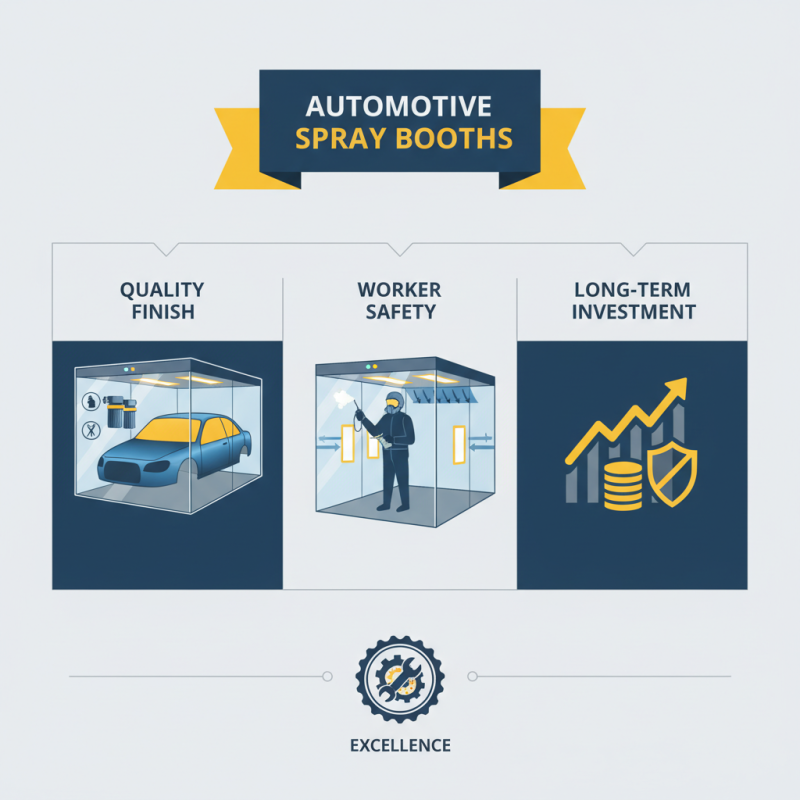
Investing in an Automotive Spray Booth not only enhances quality but also improves safety. Proper ventilation reduces harmful fumes, protecting workers. Some may hesitate due to costs, yet the long-term benefits often outweigh initial investments. As John Carter emphasizes, quality matters. Therefore, choosing the right spray booth is a reflection of a business's commitment to excellence.
What is an Automotive Spray Booth?
An automotive spray booth is a controlled environment designed for painting vehicles. These booths prevent contaminants from ruining the paint job. According to the National Institute for Automotive Service Excellence, 75% of paint defects arise from environmental factors like dust and temperature. A spray booth minimizes these issues.
A well-ventilated spray booth also regulates airflow. This ensures a consistent application of paint. Reports show that booths with proper airflow can reduce overspray by up to 50%. Less overspray means less waste and lower costs. However, many shops still operate without adequate systems, leading to inefficiencies.
Not all booths are created equal. Some may lack sufficient filtration, which affects air quality. A study by the Environmental Protection Agency found that poor air quality in auto body shops can lead to harmful health effects. This highlights the need for reliable equipment. Investing in a quality spray booth is essential for longevity and quality. Choose wisely; it impacts your business reputation.
Key Components of an Automotive Spray Booth
An automotive spray booth is an essential setup for any car repair shop. It ensures a safe and efficient environment for painting vehicles. Key components make these booths functional and effective. Understanding these elements is crucial for any shop manager.
The first vital component is ventilation. According to industry standards, well-designed spray booths can reduce airborne contaminants by up to 90%. This is critical for ensuring a smooth finish and protecting workers from toxic fumes. The ventilation system should include exhaust fans, ducts, and filters. These parts work harmoniously to maintain air quality and temperature control.
Another important aspect is the lighting system. Proper lighting is essential for identifying imperfections in paintwork. Studies suggest that natural light or well-distributed LED lighting increases accuracy by 50%. However, achieving optimal lighting can be challenging. Many shops struggle with shadows, impacting the quality of the final paint job. Lastly, the booth's structure itself must be flow-efficient. Poor designs can lead to paint overspray and waste materials, adding unnecessary costs. Investing in a well-structured spray booth pays off in the long run.
What is an Automotive Spray Booth and Why You Need One? - Key Components of an Automotive Spray Booth
| Component | Description | Importance |
| Ventilation System | Ensures proper airflow and removal of harmful vapors. | Critical for worker safety and achieving a quality finish. |
| Lighting | Bright and even lighting to allow precise color matching and inspection. | Essential for detecting imperfections during the spraying process. |
| Heating System | Maintains optimal temperature for paint application and curing. | Enhances drying times and ensures paint adhesion. |
| Filters | Removes dust and contaminants from the air entering the booth. | Crucial for maintaining a clean environment and preventing defects. |
| Control System | Manages temperature, airflow and lighting within the booth. | Facilitates customization for different paint types and conditions. |
| Workstations | Designated areas for preparing and painting vehicles or parts. | Optimizes workflow and efficiency in the painting process. |
| Maintenance Access | Easy access for maintenance and cleaning of components. | Ensures longevity and consistent performance of the booth. |
Benefits of Using an Automotive Spray Booth
Automotive spray booths play a crucial role in vehicle painting and refinishing. These specialized environments provide controlled conditions for applying paint. A report from the Automotive Industry Association indicates that nearly 70% of refinish jobs require such booths to achieve optimal results. Spray booths ensure consistent temperature, humidity, and airflow. This guarantees that the paint adheres properly and dries uniformly.
The benefits are significant. First, they help in reducing overspray, limiting waste and cost. According to industry studies, a well-maintained spray booth can minimize paint waste by approximately 30%. This reduction not only saves money but also contributes to a more sustainable practice. Enhanced safety is another key advantage. Spray booths are designed with ventilation systems that filter harmful fumes and particles, improving air quality for workers.
However, it's noteworthy that proper maintenance is essential. Neglecting routine checks can lead to inefficiencies and potential hazards. Some facilities may overlook calibration for optimal airflow, which could affect the paint application process. Investing in staff training is equally vital. Understanding the equipment and processes can significantly enhance the booth's effectiveness.
Benefits of Using an Automotive Spray Booth
This bar chart illustrates the ratings of various benefits associated with using an automotive spray booth, showcasing the improvement in finish quality and reduction in contamination as significant advantages in automotive refinishing processes.
Environmental Regulations and Compliance for Spray Booths
Automotive spray booths are essential for ensuring both quality finishes and environmental compliance. These booths control emissions of volatile organic compounds (VOCs) emitted during painting. Proper ventilation and filtration systems help reduce the release of harmful chemicals. Using a spray booth helps auto repair shops meet environmental regulations, which can be strict.
Many regions enforce guidelines that require spray booths to have specific technologies. These include efficient exhaust systems and high-efficiency filters. Not complying with these regulations can lead to penalties. It’s crucial for businesses to stay updated on local laws and adapt their operations accordingly.
Investing in a well-designed spray booth not only safeguards the environment but also enhances productivity. It creates a controlled atmosphere for painters, ensuring high-quality results. However, some shops may overlook maintenance, which can lead to issues over time. Regular inspections and updates are needed to keep the systems compliant and efficient. Automakers must reflect on their practices regularly to ensure they remain aligned with evolving regulations.
Maintenance Tips for Ensuring Optimal Spray Booth Performance
Maintaining an automotive spray booth is crucial for high-quality results. Regular checks ensure performance and extend its life. Dirty filters can reduce airflow and impact spray quality. Studies indicate that a properly maintained booth can decrease paint waste by 30%. This is vital for cost control.
Temperature and humidity control are essential. An optimal range is between 70°F and 80°F with a humidity level below 60%. Deviations can lead to paint defects. Implementing daily checks can safeguard against such issues. Ignoring these factors could result in costly rework.
Safety is non-negotiable. Regular maintenance of air handling systems prevents dangerous vapors from accumulating. According to industry standards, poorly ventilated booths can pose serious health risks. Using proper personal protective equipment (PPE) is also critical. Organize periodic training for staff to enhance awareness and ensure adherence to safety protocols.