Top Benefits of Automated Valves for Your Industry Needs?
In various industries, the use of automated valves has revolutionized operations. These devices enhance efficiency and reduce the risk of human error. Automated valves can perform tasks that require precision and consistency, making them essential in manufacturing and process control.
Many industries benefit from implementing automated valves. They streamline workflows and improve safety standards. However, the initial investment can seem daunting. Companies must weigh the costs against potential savings in labor and maintenance. Often, automated valves lead to reduced downtime and increased productivity.
Investing in automated valves can be a game-changer. They offer measurable benefits, including better resource management. Yet, organizations must consider the specific needs of their operations. A one-size-fits-all solution rarely works. The challenge lies in selecting the right automation technology for your context.
Understanding Automated Valves: Definition and Functionality
Automated valves are crucial components in various industries, including manufacturing, oil and gas, and water treatment. These devices control fluid flow in pipelines and systems automatically. Understanding their functionality is vital for making informed decisions in industrial operations.
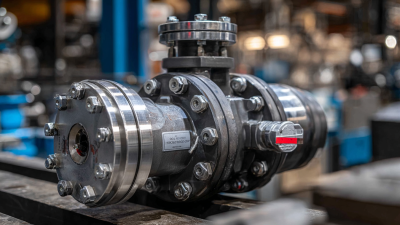
An automated valve typically consists of a valve body, actuator, and control system. The actuator opens or closes the valve in response to signals from the control system. This setup allows for precise control over flow rates and pressure levels. Operators can easily adjust settings, ensuring optimal performance and safety.
One notable aspect is the dual benefit of efficiency and safety. Automated valves reduce the risk of human error. However, they require regular maintenance to function properly. Neglecting maintenance can lead to failures, causing potentially hazardous situations. Consider this challenge when implementing automated systems.
Key Advantages of Automated Valves in Various Industries
Automated valves are revolutionizing various industries by enhancing operational efficiency and safety. According to a recent report by the International Society of Automation, these valves can cut maintenance costs by up to 30%. In the chemical industry, the precision offered by automated valves minimizes leaks and spills, which can lead to costly environmental hazards. This is essential when you consider that the Environmental Protection Agency has estimated fines related to such incidents can exceed millions annually.
In the oil and gas sector, automated valves streamline processes. They allow for remote monitoring and control, significantly reducing manual labor. A survey conducted by Global Data indicates that automation can boost productivity by nearly 25% in this industry. However, companies must remain vigilant about the initial investment costs. Automated systems may require more upfront capital yet promise greater long-term savings.
For effective implementation, consider the following insights: Invest in training for staff to familiarize them with new systems. Proper knowledge ensures safety and efficiency. Regular maintenance checks are necessary to prolong the lifespan of automated valves. Neglecting this can lead to unexpected failures, disrupting operations. Staying updated on industry standards and regulations is also crucial for compliance and safety.
Top Benefits of Automated Valves for Your Industry Needs
| Industry |
Key Advantages |
Efficiency Improvement |
Cost Savings |
Safety Enhancements |
| Oil & Gas |
Remote control, reduced leak risks |
30% |
25% |
High |
| Water Treatment |
Automated monitoring, reduced manual intervention |
40% |
20% |
Medium |
| Chemical Manufacturing |
Precision control, increased throughput |
35% |
30% |
High |
| Food & Beverage |
Consistent quality, compliance with safety standards |
20% |
15% |
Very High |
| Pharmaceuticals |
Sterile processes, traceability |
50% |
35% |
Very High |
Improved Efficiency: How Automated Valves Enhance Operations
Automated valves significantly enhance operational efficiency across various industries. According to a recent study by the Flow Control Association, companies that incorporate automated valves experience up to a 30% reduction in operational costs. This reduction stems from improved flow control and reduced need for manual interventions. The precision of automated systems ensures optimal conditions are maintained, leading to less waste and better resource management.
Moreover, automated valves facilitate real-time monitoring and data collection. In a 2022 report by the International Society of Automation, 78% of respondents noted that automation increased their capacity for data analysis. This capability allows industries to respond swiftly to changes in system demands. For example, in chemical processing, issues like pressure fluctuations can lead to severe safety hazards. Automated valves, however, can address such fluctuations faster than manual systems would allow.
While automation offers many benefits, it is not without challenges. Employees may face a steep learning curve when adapting to new technologies. Integrating these systems requires upfront investments, which can be daunting for smaller companies. Nonetheless, the long-term efficiency gains can be substantial, often validating the initial risks of transition.
Safety and Reliability: The Role of Automated Valves in Risk Management
Automated valves are critical for ensuring safety in various industries. They minimize the risk of accidents caused by human error. According to a report by the International Society of Automation, automated systems can reduce the likelihood of incidents by up to 50%. This significant decrease highlights their importance in risk management.
Investing in automated valves also boosts operational reliability. An analysis from the Hydraulic Institute shows that industries experience a 30% increase in efficiency with automated controls, which allows for better monitoring and quicker responses to irregularities. This not only keeps processes running smoothly but also protects personnel and equipment.
Monitoring and regular maintenance are essential. Regular checks can prevent malfunctions and prolong the lifespan of valves. Review your system frequently to identify any wear and tear. Evaluate the specific needs of your operations to ensure automated valves align with safety goals. Implementing these practices can enhance safety while optimizing overall performance.
Top Benefits of Automated Valves for Your Industry Needs
This chart illustrates the importance of various benefits provided by automated valves in industrial applications, highlighting their role in safety, reliability, efficiency, cost savings, and maintenance reduction.
Cost Savings: Long-Term Financial Benefits of Implementing Automated Valves
Automated valves are transforming industries with their advanced capabilities. Cost savings play a crucial role in their appeal. According to a report from the International Society for Automation, companies adopting automated solutions can reduce operational costs by 20% to 30%. This significant reduction comes from minimizing manual labor and enhancing process efficiency.
Another study from the American Society of Mechanical Engineers highlights that automated valves decrease energy consumption by approximately 15%. Lower energy use directly translates to reduced utility bills, resulting in long-term financial benefits. Many industries also experience fewer maintenance costs due to the reliability of automated systems, leading to reduced downtime.
Implementing automated valves requires an upfront investment. However, the return on investment is often realized within a few years. While initial costs may deter some businesses, the long-term savings usually justify the decision. Industries are encouraged to weigh short-term expenses against potential long-term financial gains. This reflection can illuminate the strategic value of automated valves in their operations.