What are the Benefits of Rotational Molded Parts for Buyers?
In the world of manufacturing, "Rotational Molded Parts" stand out for their unique advantages. Industry expert James Thompson, a senior engineer at MoldTech Innovations, highlights, "Rotational molding offers unmatched design flexibility and cost efficiency." This statement reflects the growing importance of these parts in various sectors.
Rotational molding allows for the creation of complex shapes with seamless designs. Buyers can achieve lighter yet durable products, which reduces shipping costs. Additionally, the process encourages creative freedom in product design. However, some manufacturers may overlook the potential of rotational molding, focusing instead on traditional methods. This can limit innovation and lead to higher production costs.
As the market evolves, understanding the benefits of rotational molded parts becomes crucial. Buyers who embrace these advantages often find themselves ahead in their respective fields. Investing in this technology not only enhances product quality but also opens new avenues for creativity. Balancing benefits with challenges is essential for making informed decisions in this industry.
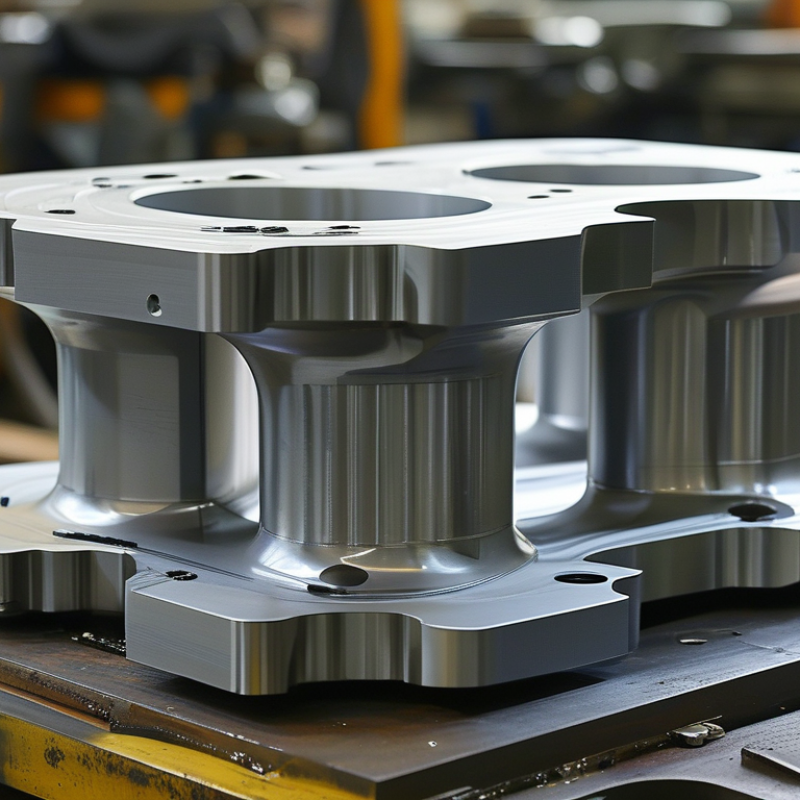
Benefits of Cost-Effectiveness Through Rotational Molding Techniques
Rotational molding offers a unique cost-effectiveness that attracts many buyers. This manufacturing method allows for the creation of complex shapes without expensive tooling. A study from the Society of Plastics Engineers reported that rotational molding can reduce production costs by up to 30% compared to traditional methods. This is primarily because the molds are less costly to produce and maintain, which is crucial for smaller businesses.
Another significant advantage lies in material savings. Rotational molding produces minimal waste due to its precise material usage. Reports indicate that this method can yield up to 15% more usable product per cycle. Additionally, the ability to produce large hollow parts efficiently reduces shipping costs. Buyers appreciate these factors as they directly impact the bottom line.
While the cost advantages are compelling, it is essential to also consider the durability of products. Rotational molded parts exhibit excellent resistance to weathering and impact. However, some manufacturers may face challenges with the production of consistent wall thickness. This inconsistency can lead to quality issues and requires careful management. Despite these concerns, many industries, including automotive and consumer goods, continue to embrace rotational molding due to its clear financial benefits.
Enhanced Design Flexibility in Rotational Molded Parts
Rotational molded parts offer remarkable design flexibility. This process allows for unique shapes and sizes that traditional methods struggle to achieve. Designers can create complex geometries with ease. The ability to craft hollow and seamless components gives engineers room to innovate.
Furthermore, materials can be easily modified during production. Color, texture, and size adjustments are often simple and cost-effective. This adaptability supports various industries, including automotive and consumer goods. Each project can be tailored to specific requirements, enhancing product appeal and functionality.
However, there are limitations to consider. The initial tooling costs can be high. Large production runs may be necessary to justify these expenses. Not all designs can be realized perfectly, as certain features may be challenging to mold. Designers need to collaborate closely with manufacturers to navigate these trade-offs. Overall, the enhanced design flexibility provided by rotational molding opens new avenues for creativity and efficiency in manufacturing.
Superior Material Durability and Longevity of Rotational Molded Products
Rotational molded parts are increasingly gaining recognition for their superior material durability and longevity. According to a 2022 report by the Association of Rotational Molders, these products can exhibit up to 30% greater impact resistance compared to traditional molding techniques. This enhanced durability is essential for industries that demand reliable and long-lasting solutions, such as automotive and industrial applications.
Furthermore, the longevity of rotational molded products results from their unique design capabilities. They can achieve complex geometries without compromising structural integrity. A study published in the Journal of Material Science in 2021 revealed that rotationally molded polyethylene can withstand extreme temperatures and harsh chemicals. This makes them ideal for outdoor and industrial environments.
However, it’s important for buyers to consider the actual operating conditions of the parts. Environmental factors like UV exposure can still degrade materials over time. Buyers should evaluate potential scenarios that might affect the mold's durability. Investing in rotational molded parts often presents a balance between durability and cost. While they can be pricier upfront, the long-term savings in replacements and repairs can be substantial.
Benefits of Rotational Molded Parts for Buyers
Streamlined Production Processes with Rotational Molding
Rotational molding has emerged as a pivotal process in manufacturing plastic parts. It streamlines production processes remarkably. According to a report by the Society of Plastics Engineers, this method can reduce cycle times by up to 30%. This efficiency stems from its ability to produce complex shapes without the need for extensive tooling. Manufacturers can create parts that meet specific needs quickly, which often leads to lower costs.
One of the key advantages of rotational molding is its flexibility in design. It allows for the seamless integration of features like ribs, bosses, and inserts. These enhancements can significantly improve the structural integrity of the finished products. A study from the American Institute of Chemical Engineers emphasizes that the uniform thickness achieved through this process ensures durability. However, achieving the perfect balance in wall thickness can be challenging, sometimes leading to inconsistent quality.
The material choices in rotational molding also play a crucial role. Polyethylene is the most commonly used material, offering excellent chemical resistance. Yet, buyers may overlook alternative materials that could yield better performance for specific applications. Understanding the specific requirements of each project remains essential. Despite its advantages, rotational molding may not be suitable for all projects. Buyers must weigh these factors carefully.
Environmental Advantages of Using Rotational Molding Techniques
Rotational molding techniques have a significant impact on the environment. This method utilizes less energy compared to traditional molding processes. It generates fewer emissions, reducing the carbon footprint associated with plastic production. The process allows for consistent wall thickness, which minimizes waste. Less waste means there is less material that ends up in landfills.
Recycling is another key point. Rotationally molded parts can often be made from recycled materials. This supports a circular economy, where resources are reused instead of discarded. Buyers can feel good knowing their products have a lower environmental impact. However, not all suppliers prioritize sustainability. It's essential to research and select partners who are committed to eco-friendly practices.
Tips: When choosing rotational molded parts, ask suppliers about their materials. Verify if they use recycled or environmentally friendly options. Pay attention to their waste management practices. Consider the full lifecycle of the product, from production to disposal. Reflect on these factors to ensure your purchases align with your values.