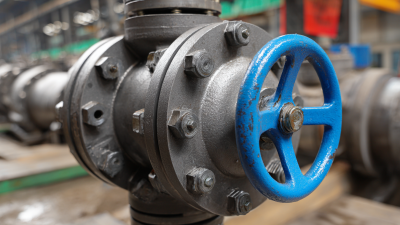
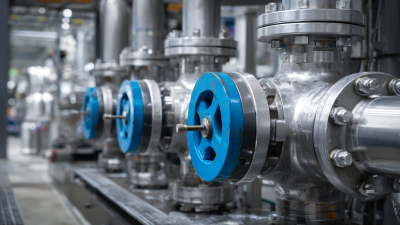
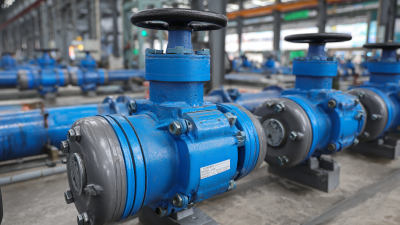
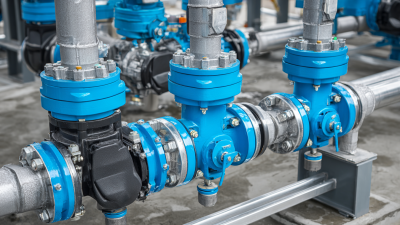
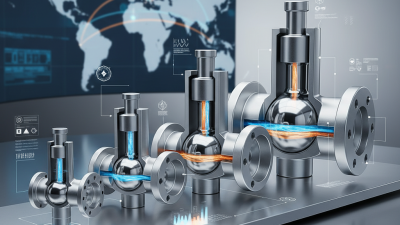
Choosing among the 10 best ball valve manufacturers requires more than comparing prices or browsing polished product catalogs. Buyers need to match each valve’s materials, pressure rating, connection type, and operating conditions to the actual job. A stainless-steel valve may suit a corrosive process, while a brass model may fit a lower-pressure utility line. Small details matter.
One sourcing note: no article or verified expert quotation was supplied, so I won’t invent an attribution. A useful selection principle is: “A valve’s value depends on how well its design matches the service.” Treat that as an editorial summary, not a quotation from a named expert. Manufacturer claims should also be checked against current technical data, test documentation, and project requirements.
This guide compares ball valve manufacturers through practical questions: Do they publish clear specifications? Can they support custom configurations? Are lead times and after-sales service dependable? These checks help global buyers compare suppliers across regions without assuming that the largest catalog means the best fit. A caveat remains: even strong manufacturers may vary by product line, and published details can leave gaps. Ask for confirmation before ordering.
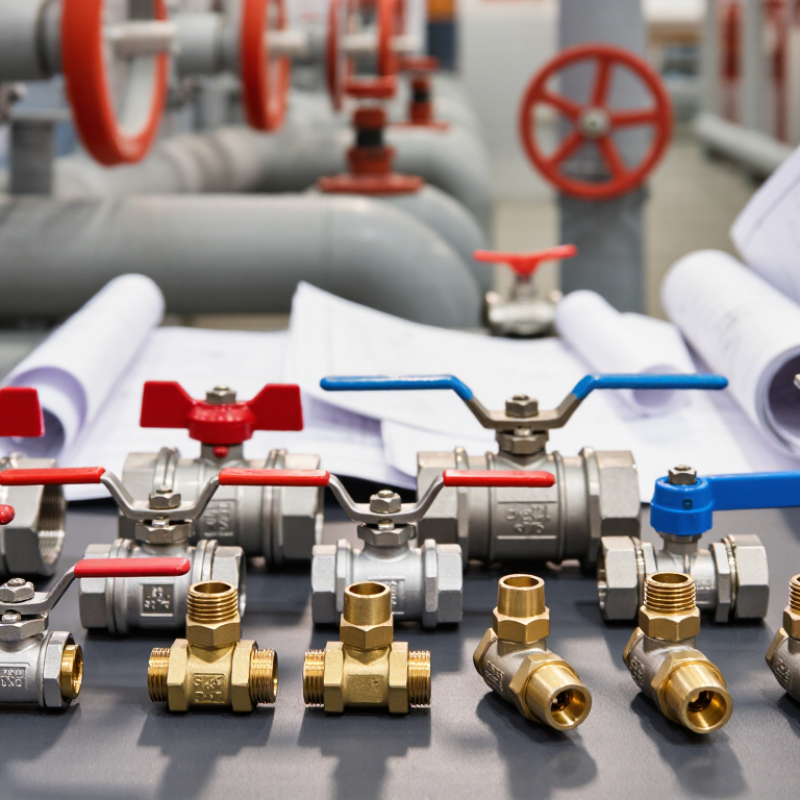
A ball valve controls flow by rotating a bored sphere one quarter-turn. When the bore aligns with the pipe, fluid passes; turn the handle 90 degrees, and the solid side blocks the passage. You can feel this quick motion at the handle. Inside, the stem transfers torque to the ball, while seats press against its surface to limit leakage. The body contains pressure, and seals help prevent leakage around the stem. A clean quarter-turn.
That simple action can mislead. Seat material, pressure, temperature, fluid properties, and installation all affect performance. Full-port designs have a bore close to the pipe’s internal diameter; reduced-port designs create more restriction. For selection and inspection, buyers can consult ISO 5208, which sets pressure-testing requirements for industrial valves. Grand View Research’s 2024 Industrial Valves Market report valued the global market at USD 79.4 billion in 2023, reflecting the scale of equipment procurement—not a guarantee of any valve’s suitability. Check operating conditions and test documentation, rather than relying on handle position alone. A closed handle does not prove a leak-tight seal.
Floating, trunnion-mounted, and metal-seated designs suit different duties; no single type fits every pipeline. Floating ball valves use line pressure to press the ball against downstream seats. They are often practical for smaller bore sizes and moderate pressures, but seat loads can increase operating torque. Trunnion-mounted valves anchor the ball, making them a common choice for larger diameters and higher-pressure service. Metal-seated valves tolerate higher temperatures and abrasive media better than soft-seated designs, though achieving tight shutoff can be harder. The boundary is not perfectly neat: pressure, temperature, solids, and cycling all matter.
A Grand View Research analysis estimated the global industrial valves market at USD 77.8 billion in 2023, with a projected 4.3% compound annual growth rate from 2024 to 2030. This covers industrial valves broadly, not ball valves alone, but it reflects continuing demand for dependable flow control. For buyers comparing manufacturers, check pressure-temperature ratings, seat materials, leakage criteria, and test documentation against the actual service conditions. A polished datasheet is not enough.
Tips: Ask suppliers to explain how the design handles your fluid and operating cycles. For abrasive slurry, inspect wear allowances and seat replacement access. For critical isolation, confirm the specified leakage test; “metal-seated” does not automatically mean bubble-tight shutoff.
Buyer-focused comparison of common ball valve designs and specifications. The entries describe product configurations, not individual manufacturers or brands.
| No. | Valve configuration | Ball support and seat | Common materials | Typical pressure class range | Typical applications | Useful standards to check |
|---|---|---|---|---|---|---|
| 1 | Floating, soft-seated, reduced bore | The ball is held between seats and moves slightly under pressure; polymer seats provide shutoff. | Carbon steel or stainless steel body; PTFE or reinforced PTFE seats. | Often ASME Class 150–600; verify size, temperature, and design. | General process isolation for clean liquids and gases. | API 608; ISO 17292; API 607 or ISO 10497 where fire testing is required. |
| 2 | Floating, soft-seated, full bore | Floating ball with a port designed to reduce flow restriction; soft seats support tight shutoff. | Carbon steel, stainless steel, or duplex body; PTFE-based seats. | Commonly Class 150–600, depending on nominal size and construction. | Process lines where low pressure drop or line access for cleaning is important. | API 608; ISO 17292; applicable fire-test and end-connection standards. |
| 3 | Floating, fire-safe design | Soft seats provide normal-service sealing; secondary metal contact is intended to limit leakage after seat damage in a fire test. | Typically steel or stainless steel body, polymer seats, and metallic secondary sealing surfaces. | Often Class 150–600; allowable ratings are design- and temperature-dependent. | Hydrocarbon and other services where fire-tested construction is specified. | API 607 or ISO 10497; API 608 or ISO 17292 for applicable valve requirements. |
| 4 | Trunnion-mounted, soft-seated, side entry | The ball is supported by upper and lower trunnions; spring-loaded seats move toward the ball to seal. | Carbon steel, low-temperature steel, stainless steel, or duplex; polymer seats and seals. | Commonly available across Class 150–1500; confirm the specific size and rating. | Pipeline isolation and larger-bore service where operating torque needs to be controlled. | API 6D; ISO 14313; API 6DSS for applicable subsea designs. |
| 5 | Trunnion-mounted, double block and bleed | Two seat surfaces isolate the line; a body cavity connection allows pressure to be checked or relieved, subject to the specified design. | Carbon steel, stainless steel, or corrosion-resistant alloys; soft or metal seats. | Frequently specified in Class 150–1500 pipeline and process applications. | Isolation arrangements requiring verification or venting of the cavity between seats. | API 6D; ISO 14313; confirm whether the design provides DBB or double-piston-effect functionality. |
| 6 | Trunnion-mounted, top entry | The top-entry construction allows internal components to be accessed from the top without removing the valve body from the line, subject to design. | Cast or forged carbon steel, stainless steel, or specified alloy; seat materials selected for service conditions. | Available in multiple ASME classes; rating varies by size, material, and manufacturer design. | Installations where in-line access for maintenance is a project requirement. | API 6D or ISO 14313 for pipeline valves; review the specified maintenance and testing requirements. |
| 7 | Metal-seated, trunnion-mounted | Metal-to-metal sealing surfaces are used; hard-facing or surface treatment may be specified to improve wear resistance. | Alloy steel or stainless steel body and ball; hard-faced or coated ball and seat surfaces. | Offered across a range of pressure classes; check the pressure-temperature limits for the selected trim. | High-temperature, erosive, or abrasive service when soft seats are unsuitable. | API 6D or applicable industrial valve standards; specify the required seat-leakage test criteria. |
| 8 | Metal-seated, severe-service trim | Engineered metal seats and treated contact surfaces are selected for demanding erosion, temperature, or pressure-drop conditions. | Service-dependent alloy body and trim; surface treatment should be stated in the valve specification. | Project-specific; confirm class, differential pressure, temperature, and cycle-life limits. | Severe process duties, including erosive fluids, when supported by application-specific engineering. | Applicable valve design and pressure-test standards; request documented materials, leakage class, and test procedure. |
| 9 | Three-piece, soft-seated ball valve | A floating ball is commonly used; the center section can be removed for maintenance on suitable designs. | Stainless steel or carbon steel body; PTFE or other service-compatible seats and seals. | Typically selected in lower to mid pressure classes; verify the product pressure-temperature chart. | Compact process, utility, and equipment isolation where maintainability is useful. | Applicable requirements may include ASME B16.34, API 608, and the specified pressure-test standard. |
| 10 | Subsea trunnion-mounted ball valve | Trunnion-supported construction with sealing, actuation, and materials engineered for the specified subsea environment. | Corrosion-resistant alloys and qualified sealing materials selected for project conditions. | Project-specific; design must account for operating pressure, external hydrostatic pressure, and temperature. | Subsea production and pipeline systems requiring qualified underwater equipment. | API 6DSS and applicable project qualification, materials, and testing requirements. |
Note: Pressure classes, sizes, materials, temperature limits, and leakage performance vary by design and manufacturer. Confirm the applicable standard, pressure-temperature rating, seat leakage criteria, material traceability, and project specifications before selection.
For global buyers, standards offer a practical starting point for comparing ball valves. API 6D covers pipeline valves, while ISO 17292 addresses metal ball valves for industrial service. ASME B16.34 establishes pressure-temperature ratings and design requirements for valves across Classes 150–2500. These references are related, but they are not interchangeable. A supplier’s claim of compliance should identify the applicable standard and edition.
Class numbers alone do not confirm suitability. A Class 600 valve, for example, may have different allowable pressure at different temperatures and material grades. Check the pressure-temperature tables against the actual operating conditions, including startup peaks and temperature swings. Ask for material traceability, inspection records, and test documentation tied to the quoted configuration. Small details matter: bore size, seat material, end connections, and fire-safe requirements can change what is acceptable.
Paperwork helps, but it cannot replace a clear technical review. Confirm whether testing applies to the finished valve, not merely a component or similar design. For pipeline applications, review API 6D requirements alongside the project specification; for general industrial service, compare ISO 17292 and ASME B16.34 carefully. Ask suppliers to explain any exceptions in writing. It is easy to focus on the rating and miss the service conditions. That deserves a second look.
A reference view of the ASME pressure-class designations commonly used when evaluating valve specifications.
How to read this chart: The bars show the numerical ASME class designations, not pressure values in psi or bar. Actual allowable pressure depends on the valve material and operating temperature. API 6D and ISO 17292 provide additional requirements relevant to pipeline and metallic ball valves.
Global buyers assessing ten ball valve manufacturers should compare portfolios, target markets, and verifiable quality credentials. Product ranges may include floating, trunnion-mounted, metal-seated, and multi-port designs. These serve different pressure, temperature, and flow requirements. Some manufacturers specialize in compact valves for water systems; others supply larger units for energy and process plants. Details matter.
Market reports offer useful context, not a supplier ranking. Grand View Research valued the global industrial valves market at USD 78.6 billion in 2023 and projected a 4.3% compound annual growth rate from 2024 to 2030. The International Energy Agency’s Oil 2024 report projected global oil demand near 106 million barrels per day by 2030. These figures indicate activity across potential end-use sectors, but they do not predict demand for any individual valve design.
Check whether each manufacturer’s portfolio matches the actual service: media, operating pressure, temperature, and cycle frequency. For pipeline applications, ask for evidence against relevant API 6D requirements; for fire testing, review API 607 test documentation. ISO 9001 certification can support quality-system evaluation, but it does not prove a valve is suitable for every installation. Confirm certificate scope, manufacturing location, and traceability for the quoted model. A catalogue can look complete. It may still leave important gaps.
A reliable ball valve starts with the actual operating conditions, not just the pipe size. Check working pressure, temperature, and possible pressure surges against the valve’s published ratings. Ratings can change with temperature, so confirm the relevant data rather than relying on a headline figure. A common mistake is selecting a valve that meets normal pressure but has little room for startup fluctuations. Small details matter. Match body, ball, and seat materials to the fluid, its concentration, and expected contaminants. Compatibility tables are useful, but confirm unusual conditions with the supplier.
Actuation affects both control and maintenance. Manual handles suit accessible lines with infrequent operation. Automated systems need suitable torque at the actual differential pressure, plus an appropriate fail position where required. Consider cycling frequency, power or air availability, and space around the valve. Service life is not a fixed number: abrasive particles, poor alignment, excessive cycling, and unsuitable seats can all shorten it. Specifications help, but operating conditions may differ from the neat assumptions on a datasheet.
Tips: Ask for pressure-temperature charts, material details, cycle-life test conditions, and maintenance guidance. Compare like with like. If a supplier cannot explain its test assumptions clearly, pause and review the selection before ordering.