Best Shale Shaker Screen Options for Maximum Efficiency?
In the realm of drilling operations, the shale shaker screen plays a crucial role in enhancing efficiency. These screens filter out unwanted solids, ensuring only clean drilling fluid returns to the system. Selecting the best shale shaker screen can significantly impact performance and productivity. Different types, mesh sizes, and materials can create confusion for operators.
Another issue is that not all shale shaker screens are equally efficient. Some may clog quickly, leading to downtime and frustration. Others might not fit the specific rig’s needs. It’s essential to assess the drilling conditions, fluid types, and the expected solid content to choose wisely. Many operators overlook these details, resulting in subpar performance.
Investing time to understand various shale shaker screen options can yield substantial benefits. Higher efficiency and lower costs are achievable. However, it's critical to reflect on past choices and learn from mistakes. Each drilling project presents unique challenges, emphasizing the need for tailored solutions.
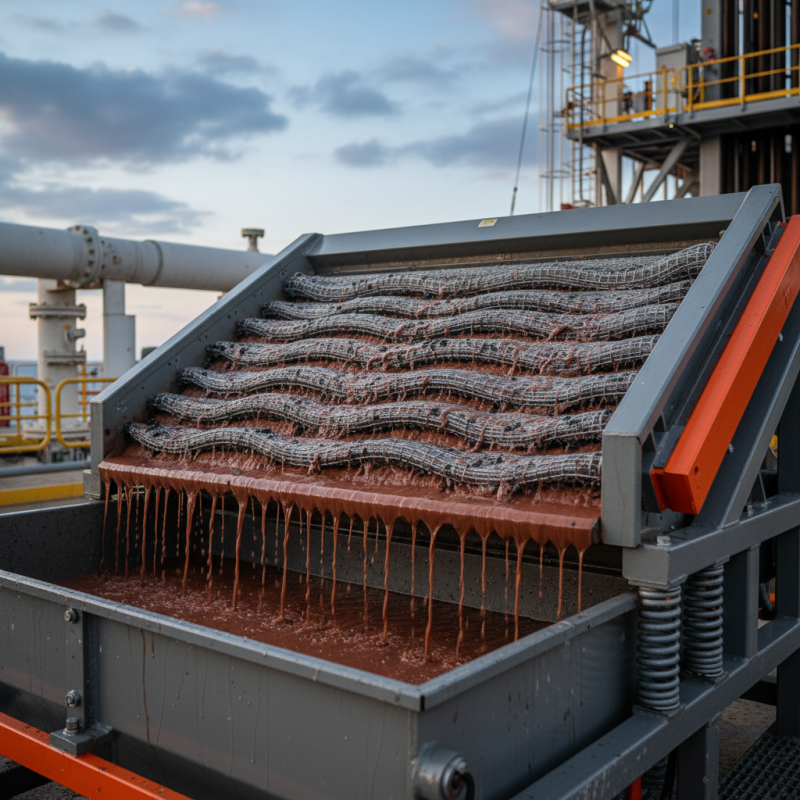
Understanding Shale Shaker Screens and Their Importance in Drilling
Shale shaker screens are vital in the drilling process. They help separate solids from liquids. This separation improves drilling efficiency. Choosing the right screen can significantly impact performance.
When selecting a shale shaker screen, consider the mesh size. A finer mesh captures smaller particles. However, it may reduce fluid flow. Striking a balance is key. Also, the screen's material affects durability. Screens made from tougher materials last longer but can be more costly.
Tips: Always monitor wear and tear on screens. Regular maintenance checks can prevent unexpected failures. Adjust your choice of screens based on the specific drilling conditions. Keep your operations adaptable and be ready to make changes. This approach ensures maximum efficiency.
Types of Shale Shaker Screens: Material and Design Variations
Shale shaker screens play a crucial role in the drilling process. The material and design variations significantly impact their performance. Commonly used materials include stainless steel and polyurethane. Each has its advantages and challenges. Stainless steel offers durability, but it can be heavy. Polyurethane is lighter, yet it may not withstand extreme conditions.
Different designs also influence efficiency. Mesh screens provide excellent filtration but can clog easily. Pyramid screens, on the other hand, enhance flow while minimizing blockage. However, they might not filter as finely. Choosing the right design involves balancing efficiency and maintenance needs. It's essential to consider the specific drilling conditions and goals.
Often, the wrong choice leads to unexpected results. Operators might not notice a decline in performance until it's too late. Evaluating screen conditions regularly can help avoid such pitfalls. Understanding the variations in materials and design is key to maximizing efficiency. A thoughtful selection process can make all the difference in drilling effectiveness.
Factors Influencing the Efficiency of Shale Shaker Screens
The efficiency of shale shaker screens is influenced by several critical factors. One major factor is the mesh size. The right mesh can prevent the loss of valuable drilling fluids while ensuring effective solids removal. Reports indicate that using the optimal mesh size can improve efficiency by up to 30%. Yet, many operators still underestimate its importance.
Another factor is the screen’s material. High-quality materials resist wear and tear better, leading to a longer service life. Studies show that screens made from polyurethane have a longer lifespan compared to traditional materials. This choice can cut replacement costs significantly. However, some may overlook this aspect, leading to frequent replacements and increased downtime.
Tips: Regularly check your screens for wear. Clean them often to prevent clogs.
Also, the angle of the shaker can impact performance. A steep angle might remove more solids quickly, but could also lead to fluid loss. Finding the right balance is key. Adjustments can make all the difference in efficiency. Remember, a well-tuned shaker can save resources and time. Don’t be quick to dismiss small adjustments; they can lead to large improvements in performance.
Key Features to Look for in High-Performance Shale Shaker Screens
When selecting shale shaker screens, key features significantly impact performance and efficiency. A proper screen mesh size is crucial. According to industry reports, optimal mesh sizes typically range from 20 to 400 microns. This diversity allows for the separation of various particle sizes effectively. Unoptimized mesh sizes may lead to inefficient solid-liquid separation, causing potential operational delays.
Durability is another vital factor. High-performance screens are often constructed with robust materials. These screens endure abrasive drilling fluids and extend the operational lifespan. Research indicates that screens with advanced coatings can outperform standard options by up to 30%. However, some users still overlook this feature, potentially lowering overall efficiency.
Additionally, the screen's flow capacity cannot be ignored. Screens with subpar flow rates can bottleneck operations. A recent study found that exceeding a screen's flow capacity by just 10% can result in a 25% reduction in efficiency. Operators must regularly calibrate their choice of screens based on the specific conditions of the drilling site. Making informed decisions on these key factors can greatly enhance overall performance in shale operations.
Best Shale Shaker Screen Options for Maximum Efficiency
| Screen Material | Mesh Size | Open Area (%) | Durability | Efficiency Rating |
| Polyurethane | API 60 | 40 | High | Excellent |
| Stainless Steel | API 80 | 35 | Medium | Good |
| Composite | API 125 | 45 | Very High | Outstanding |
| Wire Mesh | API 100 | 38 | Low | Fair |
Top Manufacturers and Their Best-Selling Shale Shaker Screen Models
When looking for shale shaker screens, several manufacturers stand out. These companies specialize in creating durable and efficient screens for various needs. Popular models include options with different mesh sizes. This allows for better particle separation. Some models offer enhanced screening capacity, which is critical in drilling operations.
One key feature to consider is the screen's durability. Materials used must withstand tough conditions. Some screens may not perform as expected. Early wear could lead to downtime, which is costly. Many users find that certain models handle larger volumes better than others. Yet, the right fit depends on the specific applications.
Selecting the best model requires careful consideration. Factors such as the type of drilling fluid being used play a significant role. Not all designs are created equal. Experimenting with various options could yield different results. It’s a journey of trial and error to find the perfect balance between efficiency and longevity.