What is Cast Stainless Steel and Its Uses?
cast stainless steel is a versatile material known for its strength and corrosion resistance. According to a recent market report by Grand View Research, the cast stainless steel market is expected to reach $12 billion by 2026. This growth highlights its importance across various industries, including aerospace, automotive, and construction.
Expert Dr. Jennifer Lee notes, “cast stainless steel combines durability with design flexibility, making it ideal for complex applications.” This material can be molded into intricate shapes, offering both functionality and aesthetics. Its use in high-pressure environments is critical for ensuring safety and reliability.
However, achieving uniform quality can sometimes be a challenge. Variability in casting techniques may lead to inconsistencies in material properties. While cast stainless steel offers numerous advantages, industries must remain vigilant in quality control. Emphasizing the need for continuous improvement will help capitalize on the benefits of cast stainless steel.
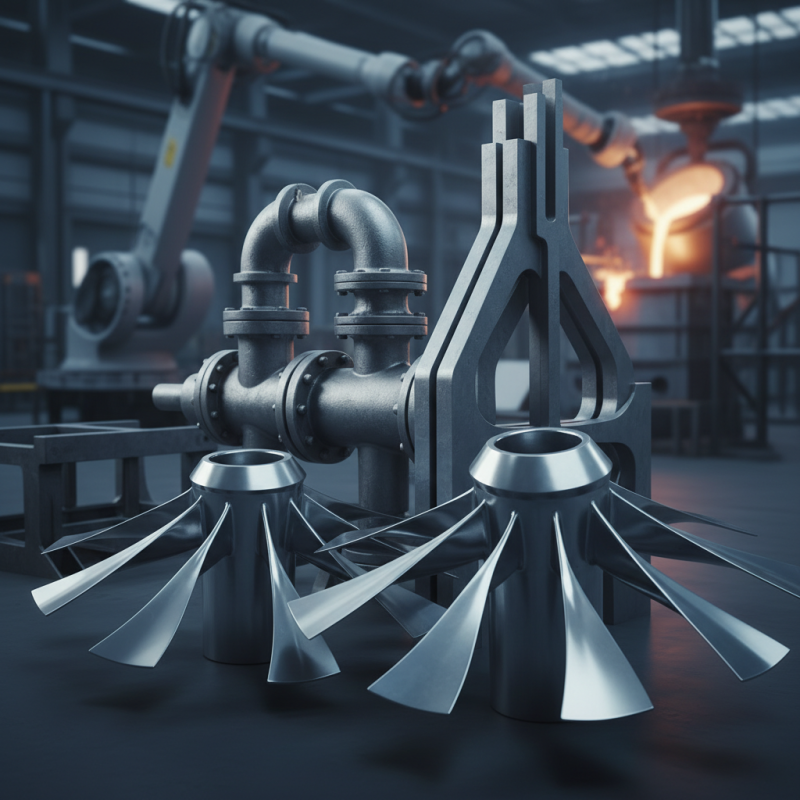
Definition and Composition of Cast Stainless Steel
Cast stainless steel is an alloy that combines iron, chromium, nickel, and other elements. This material is known for its excellent resistance to corrosion and heat. It is widely used in various applications, including kitchen equipment, chemical processing, and marine environments. The specific composition of stainless steel can vary depending on the intended use, which affects its properties and performance.
The addition of chromium gives cast stainless steel its corrosion-resistant qualities. Nickel enhances its strength and ductility, making it easier to work with and shape into complex designs. However, achieving the right balance of these elements can be challenging. If the formula isn’t accurate, the material may not perform as expected.
Tips: Always consult a material expert before beginning a project. Understanding the specific needs of your application will save time and resources. Be ready to adjust your specifications based on feedback from initial uses.
Another aspect to consider is the casting process. It involves pouring molten metal into molds, which can lead to imperfections. These may require additional machining or finishing work. It's a reminder that with every creation, there's room for improvement. Observation and adjustments are key to success in using this versatile material.
Manufacturing Process of Cast Stainless Steel
The manufacturing process of cast stainless steel involves several critical steps. It begins with selecting the right alloy. The most common ingredients include chromium and nickel, which improve corrosion resistance. These elements are melted in a furnace, reaching high temperatures.
Once melted, the molten metal is poured into molds. These molds can have various shapes and sizes. After cooling, the castings undergo solidification. This process can result in some imperfections, such as air pockets and surface irregularities. Skilled workers assess the quality of these castings and may need to rework them.
Machining is an essential step following casting. It shapes and finishes the components for specific applications. During this phase, the material properties are tested. Sometimes, the material does not meet required specifications. This requires revisiting earlier steps, which can be time-consuming. However, the overall quality of cast stainless steel can greatly enhance its functionality in various environments.
What is Cast Stainless Steel and Its Uses? - Manufacturing Process of Cast Stainless Steel
| Property | Description |
| Material Composition | Iron, Chromium (10.5% to 30%), Nickel, Molybdenum, and Carbon. |
| Corrosion Resistance | Excellent resistance to rust and corrosion compared to carbon steel. |
| Manufacturing Process | Casting process includes melting, pouring, and solidification. |
| Applications | Used in chemical and food processing, marine environments, and construction. |
| Advantages | Good mechanical properties, weldability, and ability to maintain strength at high temperatures. |
| Disadvantages | Higher cost compared to carbon steel and can be prone to stress corrosion cracking. |
Advantages of Using Cast Stainless Steel
Cast stainless steel offers various advantages that make it a preferred choice in many applications. Its corrosion resistance is a standout feature. The ability to withstand harsh environments protects structures and machinery effectively. For example, it is widely used in marine equipment. Areas exposed to saltwater benefit from this resilience.
Another significant advantage is its durability. Cast stainless steel can endure high temperatures and pressure. This makes it ideal for industries like aerospace and energy. Components made from this material are less likely to fail, leading to increased safety. However, the initial cost can be high. Some may hesitate to invest upfront.
Additionally, cast stainless steel allows for complex shapes. This flexibility in design enables more innovative solutions. Still, achieving the perfect balance between cost and design can be challenging. Some manufacturers may overlook this nuance. Understanding the material’s limitations is essential for successful application.
Common Applications of Cast Stainless Steel
Cast stainless steel is a popular material known for its durability and versatility. It is often used in various industries due to its excellent corrosion resistance. Machinery components, such as pumps and valves, are common applications for this material. Additionally, cast stainless steel is ideal for food processing equipment, where hygiene is critical. The non-reactive nature of this steel helps maintain food quality.
Marine applications also benefit from cast stainless steel. Its resistance to saltwater corrosion makes it suitable for boat fittings and offshore structures. In architecture, decorative elements often use this material for its aesthetic appeal. Stainless steel sculptures or railings add a modern touch while enduring the elements.
Tip: When selecting cast stainless steel for projects, consider environmental conditions. Corrosive environments may require specific grades for better performance. Always check specifications to avoid costly replacements. It's important to reflect on the long-term benefits versus initial costs when choosing materials for your projects. The right choice can save time and money in the future.
Maintenance and Care for Cast Stainless Steel Products
Cast stainless steel is known for its strength and durability. However, maintaining its appearance requires consistent care. Regular cleaning is essential to prevent buildup of grime or corrosion. A gentle detergent mixed with warm water can do wonders. Use a soft cloth or sponge to avoid scratches. Make sure to dry the surface completely after cleaning.
Another important aspect is preventing stains. It's crucial to wipe up spills immediately. Acidic substances can cause discoloration if left unattended. For tougher stains, a solution of baking soda and water can effectively lift marks. Applying this paste gently can help maintain the steel’s shine. Remember that neglecting these simple steps may lead to costly repairs or replacements.
Additionally, storing cast stainless steel products properly can extend their life. Avoid stacking items carelessly, as this can cause scratches. Space them apart to minimize contact. It's also good practice to keep them in a dry environment. Moisture can lead to rust, which is the last thing you want. Reflect on your habits. Are you giving your stainless steel the attention it deserves?
Usage of Cast Stainless Steel in Various Industries
This bar chart illustrates the usage of cast stainless steel across various industries, highlighting its significant applications in construction, medical equipment manufacturing, automotive components, food processing industries, and aerospace applications.