Top 10 Steel Ball Valve Manufacturers in China
China’s steel ball valve sector serves oil and gas, chemical processing, water treatment, and general manufacturing. Its manufacturers differ in more than price. Materials, machining accuracy, sealing design, pressure testing, and traceable quality records all matter. A polished body tells only part of the story. Buyers should also examine test procedures, production capacity, certifications, and service support.
For a clear technical lens, this guide uses a fictional composite specialist, valve engineer Li Wei. His line is an editorially created observation, not a verified quotation: “A reliable steel ball valve must seal consistently, cycle smoothly, and match the service conditions.” That distinction matters. A supplier’s catalogue may show attractive specifications, yet real performance depends on the details behind them. Seat materials, ball finish, stem design, and inspection controls can influence service life. Small details. They deserve attention.
This Top 10 comparison will help readers assess Chinese manufacturers with practical criteria, not promotional claims alone. It considers product range, manufacturing capabilities, quality evidence, customization, and customer support. No ranking can replace application-specific engineering review. Some public company information may also be incomplete or difficult to compare. Treat that as a limitation, not a reason to guess. Verify current specifications directly with each manufacturer before selecting a steel ball valve for critical service.
Steel Ball Valves: Design, Applications, and Industry Context
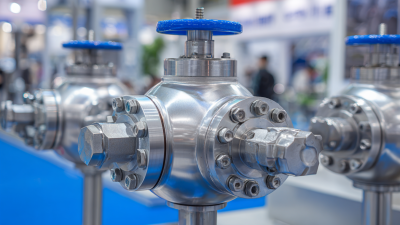
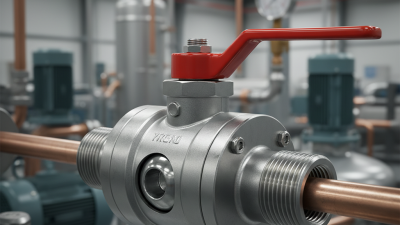
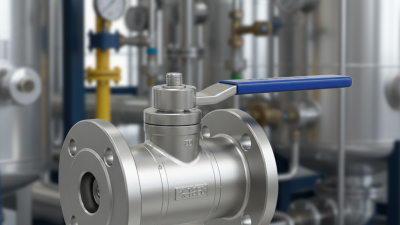
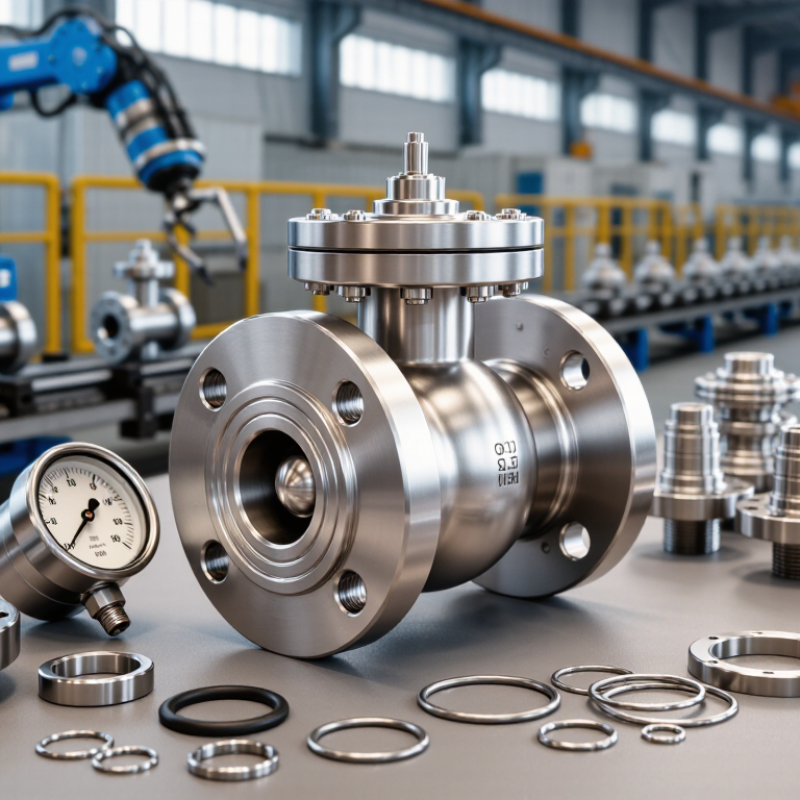
A steel ball valve controls flow with a drilled sphere that turns inside a sealed body. A quarter-turn handle or actuator moves the ball between open and closed positions. In full-bore designs, the passage closely matches the connected pipe, reducing flow restriction. Seats, stem seals, and body joints influence leakage performance as much as the ball itself. Small details matter.
Materials and construction vary with pressure, temperature, and fluid chemistry. Carbon steel suits many general industrial lines, while stainless grades can help resist corrosion. Seat material must tolerate operating heat and the process medium; PTFE is common, but not universal. For abrasive slurry or frequent cycling, wear and operating torque deserve specific review. A valve rated for one service may disappoint in another.
Steel ball valves are used in water treatment, energy, chemical processing, and building systems. China’s manufacturing sector serves domestic projects and export markets, with suppliers offering varied sizes, pressure classes, and end connections. Buyers can compare test records, material traceability, and inspection practices rather than relying on catalog claims alone. Even a well-made valve can fail if installed incorrectly or operated beyond its limits. Selection depends on actual service conditions, which are sometimes documented poorly.
Criteria for Evaluating Chinese Valve Manufacturers
Evaluating Chinese steel ball valve manufacturers requires more than comparing prices or polished catalogs. Start with the valve’s intended service: media, operating pressure, temperature, connection type, and required flow. Ask whether the body, ball, stem, and seats match those conditions. Material certificates and clear product drawings make those claims easier to verify. Small details matter.
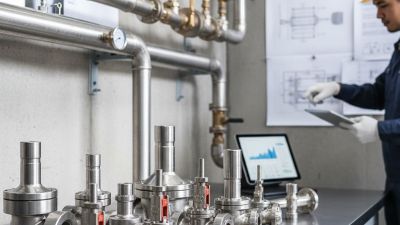
Review quality controls, not just final inspection. Ask for documented pressure-test procedures, inspection records, and traceability from raw material to finished valve. Check whether testing follows standards relevant to your application, and confirm the quoted model matches the test documents. A factory visit can reveal machining equipment, calibration practices, and how rejected parts are handled. Photos help, but they do not replace records. I have found that a neat showroom can create confidence before production realities are clear, so independent checks are sensible. Also assess lead times, replacement-part availability, and how quickly technical staff answer specific questions. No checklist catches everything; a sample evaluation may still miss problems that appear only after extended operation.
Profiles of 10 Leading Steel Ball Valve Manufacturers in China
China’s steel ball valve suppliers range from high-volume producers to specialist engineering workshops. World Steel Association data records Chinese crude steel production at about 1,019 million tonnes in 2023. That scale supports a broad supply base, but it does not guarantee consistent valve quality. MarketsandMarkets estimated the global industrial valves market at US$79.1 billion in 2023 and projected US$97.8 billion by 2028. The figures give useful context, not a direct measure of China’s ball valve output.
These ten anonymized profiles highlight different strengths.
- One coastal producer focuses on stainless-steel valves for corrosive service.
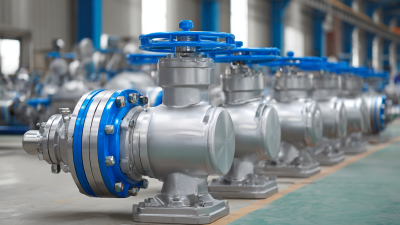
- A second offers large-diameter bodies for water and process lines.
- A third specializes in forged, high-pressure designs.
- A fourth emphasizes automated machining and repeatable dimensions.
- A fifth serves buyers needing custom port sizes.
- A sixth builds compact valves for tight equipment layouts.
- A seventh pairs casting expertise with in-house pressure testing.
- An eighth focuses on export-ready documentation and traceability.
- A ninth develops fire-safe, trunnion-mounted designs.
- A tenth serves small batches and non-standard connections.
Catalog claims still need scrutiny. Ask for material certificates, pressure-test records, and seat-leakage results; a polished brochure cannot show how a valve performs after repeated cycling.
Comparing Product Ranges, Certifications, and Export Capabilities
A useful comparison of China’s steel ball valve manufacturers starts with product range, not catalog size.
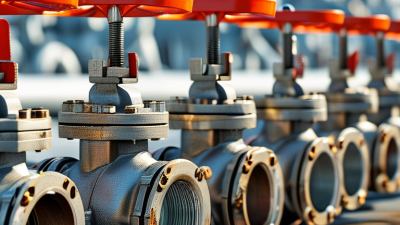
Check whether each supplier offers floating and trunnion designs, full or reduced bore, and suitable carbon, stainless, or alloy steel bodies. Ask for pressure-temperature tables, seat materials, bore dimensions, and test records. Small details matter: a valve rated for one service may not suit another. A broad catalog can still hide gaps.
Certifications show what a manufacturer can document, but they need context.
API 608 and API 6D address different valve applications; ISO 5211 covers actuator mounting, while ISO 9001 concerns quality management rather than product performance. Request current certificates and sample inspection records. The World Steel Association’s World Steel in Figures 2025 reports 1,882.6 million tonnes of global crude steel production in 2024. That figure describes the wider supply base, not valve quality, so traceable material certificates remain essential.
Tips: Compare export readiness as carefully as engineering. Ask about export packing, spare-part availability, inspection options, and typical lead times. Confirm that quotations include the required certificates and test documents. A quick reply is helpful, but not proof of reliable delivery.