How to Choose the Right Flanged Ball Valve for Your Needs?
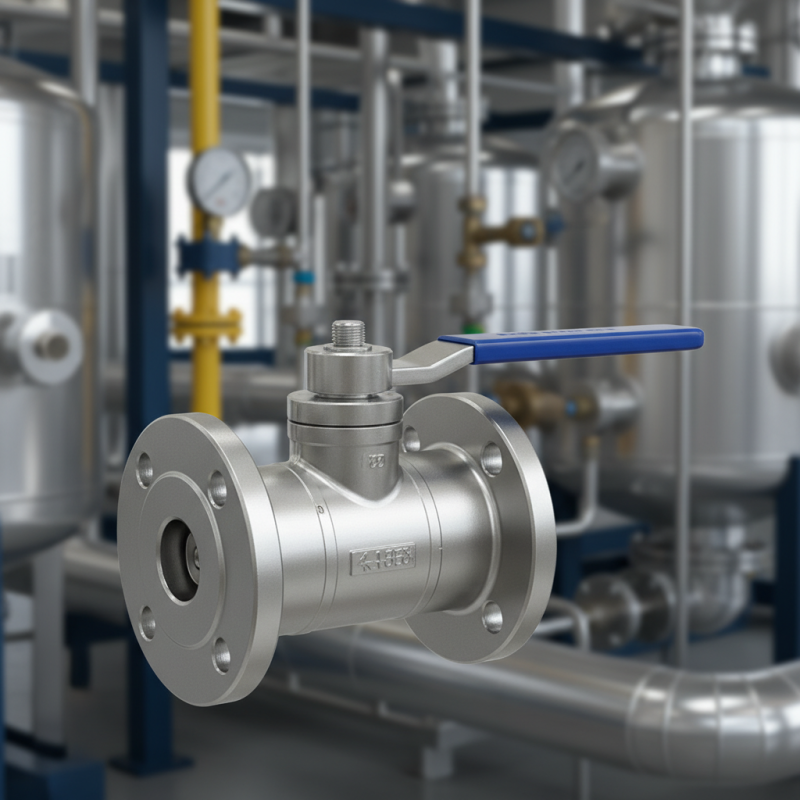
When selecting a flanged ball valve, numerous factors come into play. The flanged ball valve is designed for various applications, providing reliable performance. It connects easily to piping systems, ensuring a tight seal and reducing leaks.
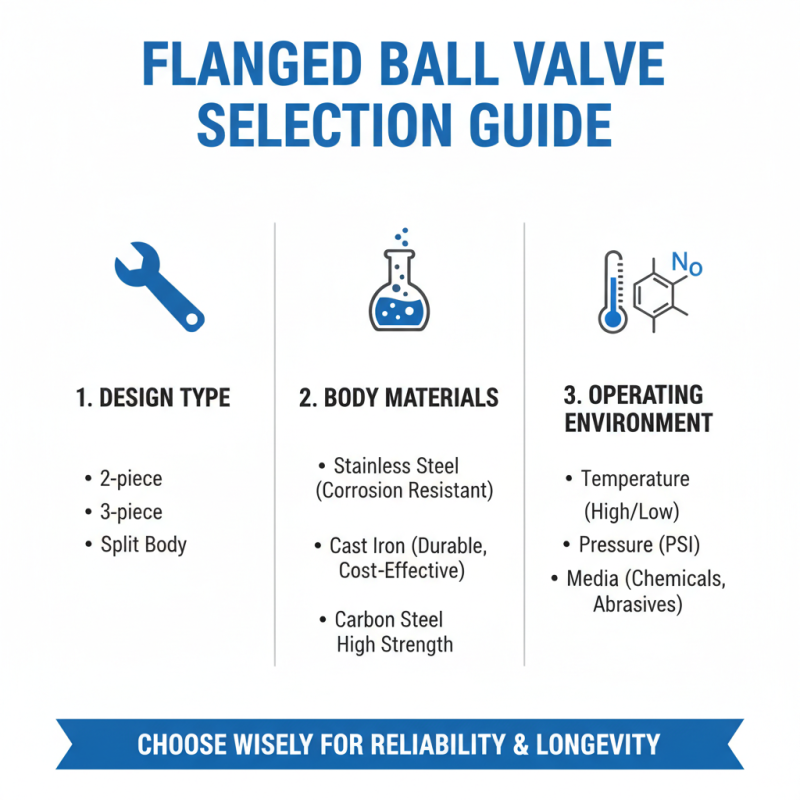
Consider the material of the flanged ball valve. Different materials offer varied resistance to corrosion and temperature fluctuations. For instance, stainless steel is ideal for harsh environments, but it may be overkill for simple tasks. Also, focus on valve size and pressure ratings. An incorrect size can lead to inefficiency or even system failure.
Even experienced users can overlook specific needs. A valve that works in one situation might not suit another. Reflect on your system's unique requirements before making a decision. Ultimately, a well-considered choice of flanged ball valve can enhance your project's success and reliability.
Understanding the Basics of Flanged Ball Valves
Flanged ball valves play a crucial role in various piping systems. Understanding their basics can help you make informed choices. These valves consist of a ball with a hole in the center. When the valve is opened, fluid flows through the hole. When closed, the ball blocks the flow. This simple mechanism ensures reliability.
Material selection is essential. Valves are often made from metals like stainless steel. However, the wrong choice can lead to corrosion or damage. Consider the environment—temperature and pressure levels must match the valve specifications. In harsh conditions, a heavy-duty option might be necessary.
Installation and maintenance can pose challenges. Flanged valves require correct alignment for a proper seal. Improper installation could lead to leaks. Regular inspection is needed to ensure functionality. Look for signs of wear and replace any damaged parts promptly. The right flanged ball valve can significantly impact performance.
Identifying Your Specific Application Requirements
When selecting the right flanged ball valve, understanding your specific application is crucial. Consider the nature of the fluid being controlled. Is it a gas, liquid, or slurry? Different materials withstand different conditions. For high-pressure systems, stronger materials are necessary. This choice might seem straightforward, but it can lead to complications later.
Next, assess the temperature range of your application. High temperatures can weaken certain materials. A valve that performs well at room temperature may fail under heat. It’s often easy to overlook temperature ratings, but they play a significant role. Think about the environment too; corrosive surroundings demand robust protective coatings or materials.
Don’t forget flow requirements. The valve size impacts flow rates significantly. A valve too small can restrict flow, while an oversized valve may lead to inefficiencies. Calculating your flow requirements is not just a guess; it’s essential for optimal performance. While valve specifications are available, ensuring they match your needs can be tricky. Reflect on your system’s demands and ask questions to clear any uncertainties. Balancing these factors will guide you toward the right choice.
Evaluating Size, Pressure, and Temperature Ratings
Choosing the right flanged ball valve is crucial for your application. Evaluating size, pressure, and temperature ratings helps ensure optimal performance. Start with size. Match the valve size with your piping system. An incorrect size can lead to leaks or reduced flow rates. Measure the diameter accurately. Don’t skip this step. Even small differences can cause issues.
Next, consider pressure ratings. Your valve must handle the system's maximum pressure. Each valve has a distinct pressure rating. Exceeding this can cause catastrophic failure. Review your operating conditions thoroughly. Think about the environment. High-pressure situations require robust materials. Look for valves designed for such scenarios.
Evaluate temperature ratings too. Valves need to withstand varying temperatures. A valve suitable for one temperature may not work in another. For example, high-temperature environments may require valves with special seals. These seals prevent leaks and failures. Always check the ratings against your application’s needs. Don't overlook any detail. Small oversights can lead to significant setbacks.
Material Selection for Durability and Compatibility
Choosing the right flanged ball valve involves careful material selection. The material greatly influences durability and compatibility with various media. Common materials include stainless steel, brass, and PVC. Each material has its own strengths and weaknesses.
Stainless steel offers excellent corrosion resistance. It's ideal for harsh environments. However, it can be more expensive than other options. Brass might be less durable but is often suitable for light industrial applications. PVC is lightweight and cost-effective but can’t handle high temperatures.
**Tips:** Consider the media flow and pressure before deciding on materials. Always verify temperature ratings for your selected valve. Testing compatibility with your system improves overall performance. Remember, improper material choice could lead to leaks or failures. Take the time to reflect on your specific needs.
Material Selection for Flanged Ball Valves
This bar chart illustrates the most common materials used in flanged ball valves and their respective durability ratings. The data reflects the compatibility and longevity of materials like Stainless Steel, Brass, and PVC under various working conditions.