How to Choose a Fire Safe Ball Valve
Choosing a fire safe ball valve begins with the service conditions, not the product label. What fluid will pass through it? What pressure, temperature, and operating frequency must it handle? A valve installed on a fuel-gas line faces different demands from one used in a hot process stream. Details matter.
A useful selection principle, consistent with valve engineer and author Dr. R. W. Zappe’s valve-selection work, is: “Match the valve design to the service, then verify its fire-test evidence.” This is a concise paraphrase, not a verbatim quotation. Check whether the valve’s fire-test documentation applies to its materials, size, pressure class, and end connections. Standards such as API 607 and ISO 10497 describe fire testing, but a standard reference alone does not prove every configuration is suitable.
Look closely at the seat and stem arrangements, body materials, and post-fire sealing performance. Ask for traceable test records, not just a brochure claim. Confirm operating torque, actuator compatibility, and maintenance access; a stiff valve can become a practical problem during routine operation. Small details count.
This guide outlines the checks that help buyers compare designs and ask better supplier questions. No single feature guarantees suitability. Even a well-documented fire safe ball valve must fit the actual installation, and that judgment deserves careful review.
Define the Fire-Safe Requirements of Your Application
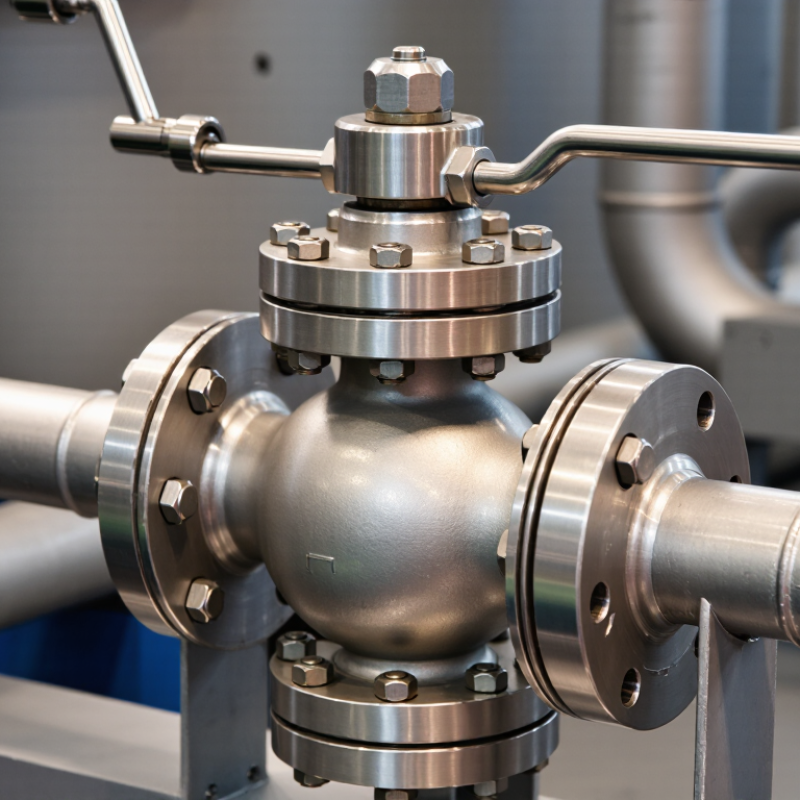
A fire-safe ball valve should be selected for the fire conditions it may actually face, not just for a label on a product sheet. Define the likely exposure: Is the valve outdoors near hot equipment, or inside a plant where a pool fire could surround the line? Note the expected duration, access for emergency isolation, and whether nearby piping may move as it heats. Small details matter.
Record the process conditions, too. Include the fluid, normal and maximum pressure, temperature, pipe size, and operating frequency. Ask what leakage limits apply during and after fire testing, and which test standard and valve configuration support the claim. A certificate for one size or trim may not cover another. Check the stem sealing arrangement and how the valve limits leakage if its soft seat is damaged. Don’t assume “fire-safe” means leak-free.
Then consider what the valve must do during an emergency. Does it need manual operation, remote actuation, or a defined fail position? Can an operator reach it safely? In application reviews, these questions are easy to leave until late. I have seen specifications focus on the fire test while overlooking access and maintenance. That is worth questioning. Write down the assumptions, then confirm them with the valve supplier and the project’s engineering team.
Match Valve Materials to the Fluid and Operating Conditions
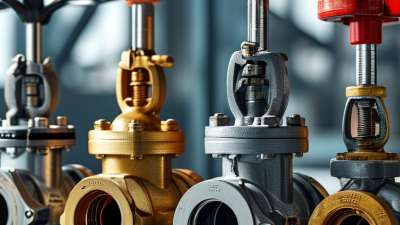
A fire-safe ball valve must suit the fluid before it suits the fire test. Stainless steel may handle many water and hydrocarbon services, but chlorides can trigger pitting, while acids may require a different alloy. Check the body, ball, stem, seats, and seals against the fluid’s concentration and contaminants. Small details matter.
NACE International’s 2016 IMPACT study estimated corrosion costs at US$2.5 trillion annually, about 3.4% of global GDP. That figure is not a valve-selection formula; it shows why material compatibility deserves careful review.
Operating conditions narrow the options. Confirm pressure, temperature, cycling frequency, and whether the line may run dry or carry abrasive solids. A fire-safe design tested to API 607 or ISO 10497 addresses performance during specified fire conditions; it does not guarantee corrosion resistance or suitability for every service. Check the exact valve configuration and soft-seat materials, since heat can change how seals behave. Even sound material charts cannot capture every process variation.
Fluid chemistry can be messy.
Tips: Compare the supplier’s material list with the process data sheet, including startup and cleaning fluids. Ask for documented fire-test conformity and temperature limits. If chemistry or operating conditions are uncertain, have a qualified engineer review the selection before installation.
Check Fire-Test Standards and Safety Certifications
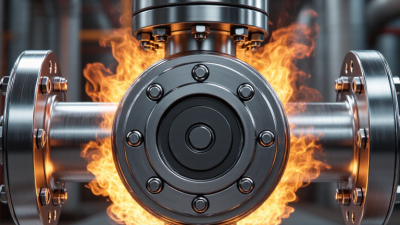
A fire-safe ball valve should be supported by a fire-test report, not just a sales claim. Check whether it was tested to API 607 or ISO 10497, and confirm the standard’s scope fits the valve’s design. These standards specify fire-test procedures, including exposure conditions; commonly specified testing includes a 30-minute fire exposure at 750–1000°C. Those figures describe the test, not a guarantee of leak-free performance in every plant. Verify that the report names the exact valve size, pressure class, seat material, and configuration you plan to install. Small differences matter.
Tips: Request the complete test report. Check recorded pressure, temperature, duration, and leakage results during and after exposure. Confirm the certificate can be traced to the tested model and manufacturing configuration. A certificate alone may look reassuring, but it can leave important questions unanswered.
Also inspect the valve’s fire-safe construction drawings. Look for features such as secondary metal-to-metal sealing, anti-static components, and blowout-resistant stem design, then compare them with the tested configuration. Ask who witnessed or reviewed the test and whether the report identifies any limitations. Keep the documentation with maintenance records, and review it when the valve is repaired or modified. Even careful checks cannot predict every installation condition; that deserves a second look.
Select the Right Valve Size, Design, and Connections
Choosing a fire-safe ball valve starts with the duty, not the pipe label. Record the fluid, pressure, temperature, flow range, and shutoff frequency. Size the bore for required flow and acceptable pressure drop; matching the nominal pipe size alone can leave a valve oversized. A larger bore can look reassuring, but it is not automatically safer or more suitable. For isolation service, a full-bore design can reduce flow restriction. Not always necessary.
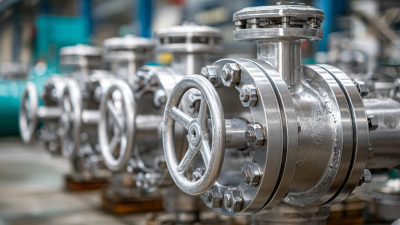
Check the fire qualification and its scope. API 607 specifies a 30-minute fire test, with exposure temperatures in the 750–1,000°C range; ISO 10497 also sets fire-test requirements for valves. These are test conditions, not a guarantee that every valve configuration will perform identically. Verify that the tested design covers the selected size, materials, and end connections. Details matter. For connections, flanged ends are practical where inspection or replacement is expected; welded ends reduce a potential leak path but complicate removal. Threaded ends may suit smaller services, subject to pressure and temperature ratings. Confirm face-to-face dimensions, flange class, and installation clearance before ordering. It is easy to overlook the wrench space around an actuator. That deserves a second look.
Evaluate Actuation, Maintenance, and Long-Term Reliability
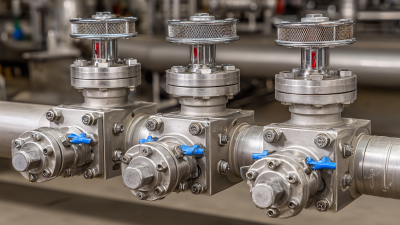
A fire-safe ball valve should be chosen for how it will be operated, not only for its pressure rating. A hand lever suits many accessible, infrequently operated lines. For remote or frequent operation, compare pneumatic and electric actuators against required torque, response time, and available power. Check that the actuator can turn the valve under the expected pressure conditions, not just on a clean test bench. If automatic closure is needed, confirm the failure position and what happens when power or air is lost. Small details matter.
Maintenance access affects long-term reliability. Leave room to reach the stem, packing, fasteners, and actuator, and follow the manufacturer’s instructions for inspection and service. Before maintenance, isolate and depressurize the line using site procedures. Look for leakage, corrosion, loose connections, and changes in operating effort. A stiff handle is not a diagnosis; forcing it may cause damage. Record inspection dates, operating cycles, and repairs so gradual changes are easier to spot. Fire-safe construction does not make a valve maintenance-free. Review the valve’s documented fire-test qualification, materials, temperature limits, and service compatibility for the actual application. Some choices remain imperfect: a faster actuator may add complexity, while a simpler manual valve may be hard to reach when needed.