What is a Flow Control Valve and How Does It Work?
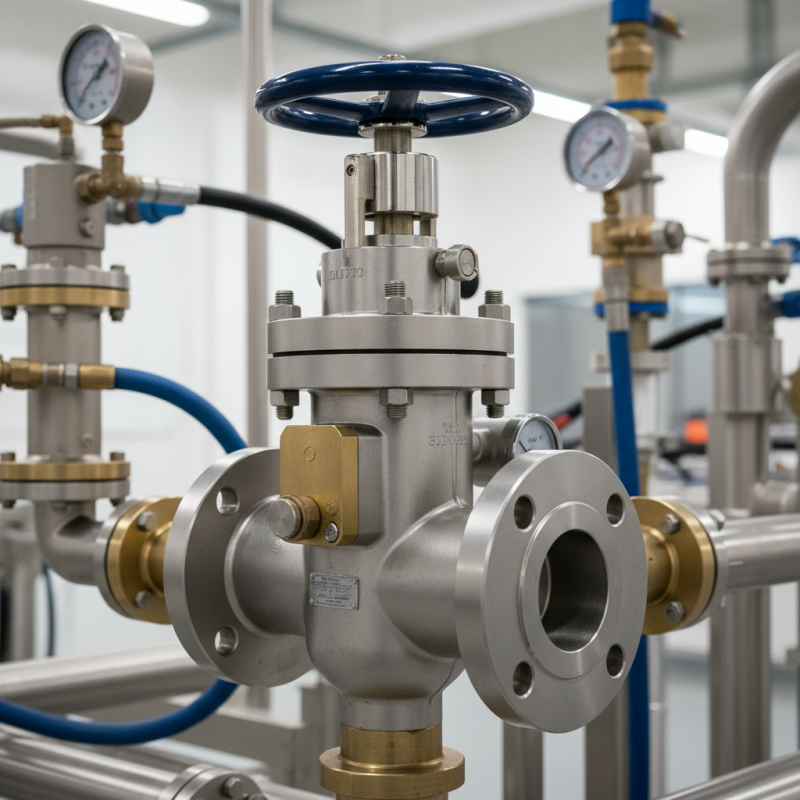
A flow control valve is a crucial component in various fluid systems. Its primary purpose is to regulate the flow of liquids and gases. Understanding how a flow control valve works is key for engineers, technicians, and manufacturers.
The flow control valve adjusts the amount of fluid passing through a pipeline. This adjustment helps achieve desired pressure levels and flow rates. It can be used in diverse applications, such as automotive, HVAC, and industrial machinery. It operates based on principles of fluid dynamics, making it vital in maintaining system efficiency.
However, not all flow control valves are created equal. Each design serves different needs. Sometimes, users may overcomplicate systems that could work just as well with simpler valves. Recognizing this can lead to better designs and lower costs. Understanding the balance in flow control is essential for optimal performance and improved reliability.
What is a Flow Control Valve? An Overview of Its Definition and Purpose
A flow control valve is essential in many fluid systems. Its primary purpose is to regulate the flow rate of liquids or gases. By controlling flow, it helps maintain system stability and efficiency. These valves can be found in various applications, from irrigation systems to industrial machinery.
Flow control valves function by adjusting the size of the flow passage. This adjustment can be manual or automatic. In some cases, a simple twist can change the flow dramatically. For instance, reducing the passage size increases the pressure, while increasing it decreases the pressure. This balance is vital for the correct functioning of hydraulic and pneumatic systems.
While flow control valves are effective, they are not without challenges. For example, improper installation can lead to leaks or inefficiencies. Sometimes, users may overlook maintenance, leading to blockages. Regular checks are necessary to ensure optimal performance. Understanding the intricacies of these valves can help in achieving better system control and effectiveness.
What is a Flow Control Valve and How Does It Work?
| Dimension |
Value |
| Type |
Pressure Control Valve |
| Operating Principle |
Throttle Flow |
| Main Application |
Industrial Machinery |
| Typical Size Range |
1/4" to 6" |
| Flow Rate Capacity |
Up to 500 GPM |
| Control Type |
Manual / Automatic |
| Common Materials |
Brass, Stainless Steel, Plastic |
| Pressure Ratings |
Up to 6000 PSI |
| Temperature Range |
-20°F to 250°F |
Types of Flow Control Valves: Exploring Different Designs and Applications
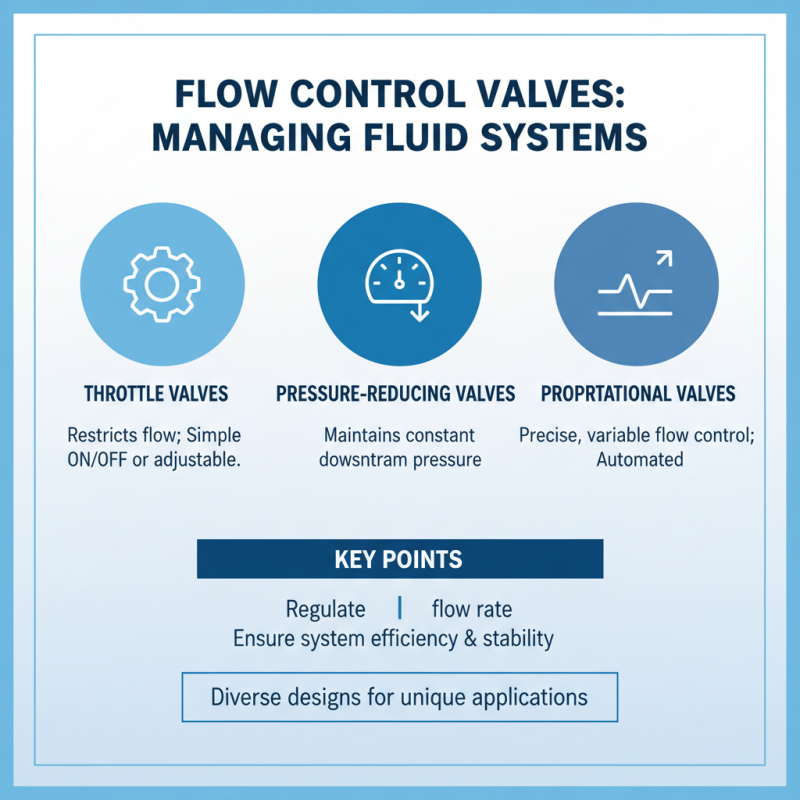
Flow control valves come in various designs, each serving unique applications. These valves manage the flow rate of fluids, ensuring systems operate efficiently. Some common types include throttle valves, pressure-reducing valves, and proportional valves. Each design has its strengths and weaknesses.
Throttle valves are simple yet sometimes inefficient. They restrict flow but can create pressure drops. This can lead to energy loss or malfunction in sensitive systems. Pressure-reducing valves maintain a constant downstream pressure. However, if improperly set, they might cause instability in the system. Proportional valves, on the other hand, allow for adjustable flow control. They can be expensive and complex but are ideal for precision tasks.
Choosing the right valve can be challenging. It requires understanding the system's needs and potential pitfalls. Each type presents unique challenges. Users must weigh the benefits against costs, energy efficiency, and system reliability. An imperfect choice can lead to setbacks or inefficiencies. Proper installation and maintenance are essential for optimal performance.
How Flow Control Valves Operate: Mechanisms and Principles Explained
Flow control valves are essential in managing fluid flow within a system. They regulate and adjust the flow rate, which is crucial for maintaining optimal operation. These valves can operate manually or automatically. Manual control involves adjusting a handle or knob. Automatic systems use sensors and actuators to maintain preset flow rates.
The mechanisms behind flow control valves vary. They often use a diaphragm or piston to control the opening size. This determines how much fluid can pass through. When the valve opens wider, flow increases. When it closes, the flow decreases. Simple as it seems, the design must handle pressure changes and fluid characteristics.
Sometimes, the expected performance does not match reality. Factors like wear and tear can alter flow rates. Operators need to regularly inspect and test these valves. This process can reveal inconsistencies in operation. Identifying these issues is vital for efficiency and safety. Keeping everything in check ensures systems operate smoothly, but it requires diligence and care.
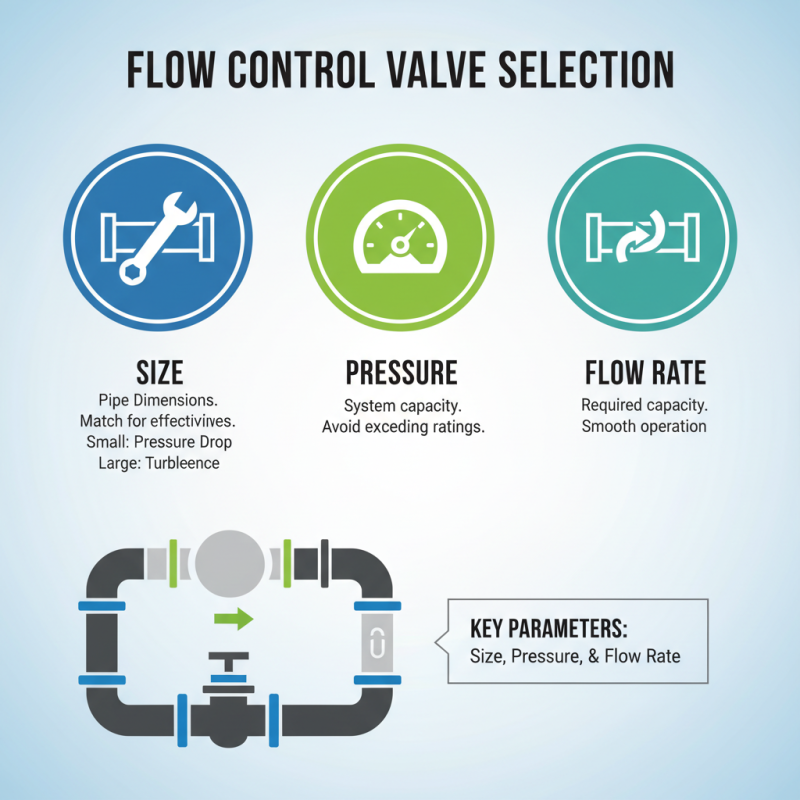
Key Parameters in Flow Control Valve Selection: Size, Pressure, and Flow Rate
When selecting a flow control valve, size, pressure, and flow rate are critical parameters. Size is determined by the pipe dimensions. Choosing the wrong size can lead to ineffective flow control. A valve too small may cause pressure drops, while a valve too large can create turbulence. It's essential to match the valve size with the piping system requirements.
Next is pressure. The valve must withstand the system's operational pressure. Exceeding the pressure limit can lead to valve failure. Different applications have varying pressure needs. Understanding these requirements is vital for selecting the right valve. Many overlook this detail, which can lead to costly repairs.
Flow rate is another key factor. It measures how much fluid passes through the valve. An inappropriate flow rate can disrupt processes. Too high a flow rate can cause damage. Conversely, too low can affect performance. Testing flow conditions before selection can help prevent these issues. Real-world conditions may differ from theoretical values, so practical assessments are necessary. This highlights the importance of careful consideration in flow control valve design.
Industry Applications of Flow Control Valves: Use Cases in Various Sectors
Flow control valves play a vital role across various industries. They regulate fluid flow and manage pressure, ensuring optimal operations. In the oil and gas sector, these valves are essential for pipeline control. A report from the International Energy Agency indicates that effective flow management can reduce operational costs by up to 30%.
In manufacturing, flow control valves enhance efficiency. They help maintain consistent fluid delivery, which is critical for machinery. A study by the American Society of Mechanical Engineers found that 70% of plants report improved performance with proper flow control systems. Food processing also utilizes these valves for precise mixing and temperature control. In this sector, even minor inaccuracies can pose a risk to product quality.
**Tip:** Regular maintenance of flow control valves is crucial. This minimizes downtime and avoids costly repairs.
Flow control valves are also important in HVAC systems. They manage temperature across large buildings. However, choosing the right valve can be challenging. Not all options deliver the needed performance. It's essential to evaluate system requirements thoroughly to avoid inefficiencies.
**Tip:** Always consult with an expert during the selection process. This helps in making informed decisions that enhance system reliability.