What is a Full Port Ball Valve and Its Advantages?
In the realm of industrial valves, the "full port ball valve" stands out for its unique features. It allows for unobstructed flow, which enhances efficiency in various systems. According to industry expert Dr. John Simmons, "A full port ball valve is essential for maximizing throughput in pipelines." This statement underscores the importance of selecting the right valve for optimal performance.
The design of a full port ball valve enables liquids and gases to flow freely, minimizing turbulence. This can lead to significant energy savings and reliability. In many applications, a full port option may be preferred over a standard valve, particularly in systems where pressure drops must be managed. It’s not just about the valve itself, but how it integrates into a broader system.
However, it's essential to consider the installation and maintenance of these valves. Misalignment or improper installation can negate their advantages. While full port ball valves offer many benefits, not every situation requires them. Understanding their role is crucial for effective decision-making. There’s always room for improvement in how we utilize these valves.
What is a Full Port Ball Valve?
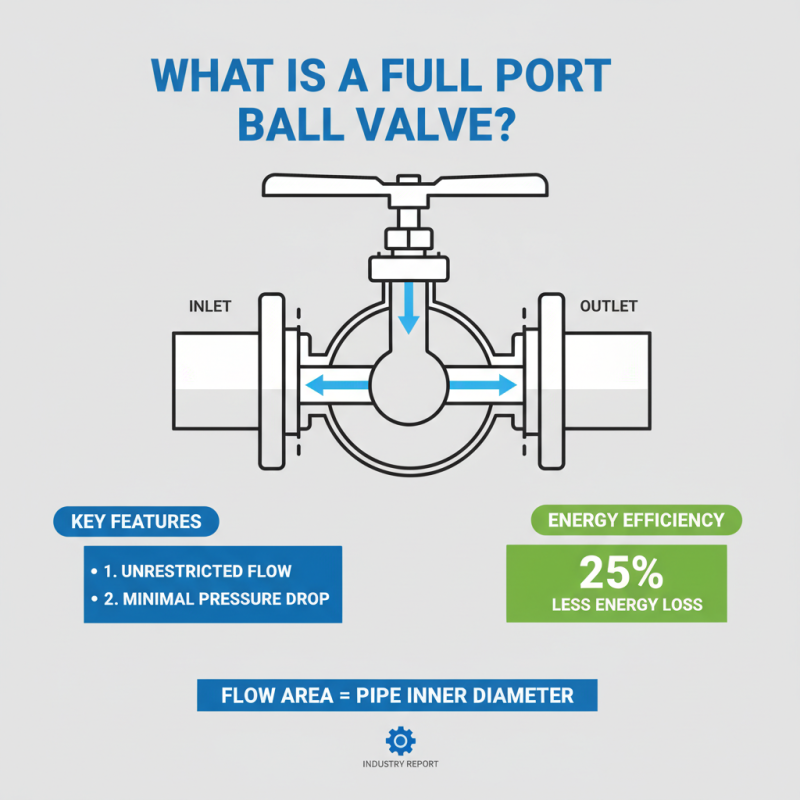
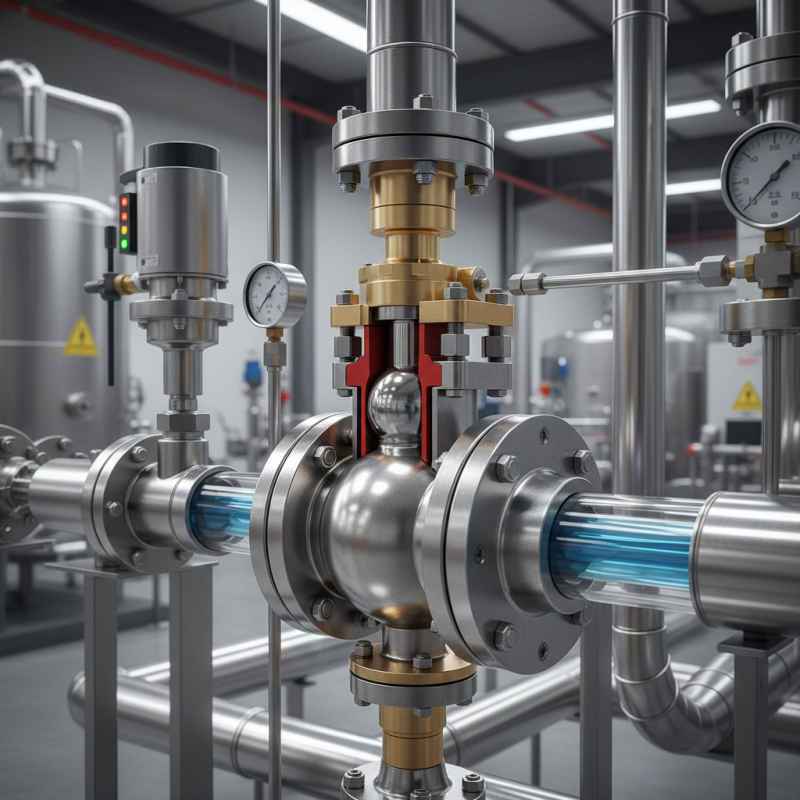
A full port ball valve is a type of valve that features a ball with a hole running through its center. This design allows the flow area to be equal to the inner diameter of the pipe. A key feature is its ability to facilitate unrestricted fluid flow, minimizing pressure drops. According to a recent industry report, full port ball valves can reduce energy loss by up to 25% compared to standard valves.
The advantages are evident in various applications. Industries like oil and gas, water treatment, and chemical processing benefit significantly from these valves. They provide better flow control, leading to increased efficiency in systems. Additionally, while full port valves tend to have a higher initial cost, they can offer long-term savings through reduced energy consumption and maintenance needs.
However, not all systems require a full port design. For smaller pipes or certain applications, a reduced port valve may suffice. Evaluating the needs of a specific operation is crucial. While full port valves excel at flow efficiency, they might also take up more space and may not be ideal in tightly constrained environments. Proper consideration is essential to optimize system performance.
Key Features of Full Port Ball Valves
Full port ball valves are essential components in various industries, providing efficient flow control. Their design features a bore that matches the diameter of the pipe. This allows for unobstructed flow, minimizing friction loss. According to industry reports, these valves can improve system efficiency by up to 20% when compared to standard port designs.
One key feature of full port ball valves is their simplistic operation. They can be quickly opened or closed with a quarter turn. This ease of use is critical in scenarios where immediate shut-off is necessary. Additionally, they have a robust construction, often made from durable materials such as stainless steel. This enhances their reliability under high pressure and temperature conditions. The lifespan of these valves often exceeds 15 years, making them a cost-effective choice for many applications.
Despite their advantages, it's essential to consider installation challenges. Proper alignment and sealing can be tricky, leading to potential leaks. Industry data shows that incorrect installation can reduce valve performance by 30%. It’s vital that users engage with experienced professionals to ensure optimal functionality. Understanding these nuances helps in leveraging the full potential of full port ball valves in any system.
Advantages of Using Full Port Ball Valves
Full port ball valves are designed to provide an unobstructed flow path. This feature is crucial in systems where pressure drops and turbulence must be minimized. According to industry reports, using full port ball valves can lead to a flow efficiency increase of up to 30%. This improved efficiency is vital for operations relying on optimal fluid transport.
Another significant advantage of full port ball valves is their ease of maintenance. Their design allows for simple cleaning and inspection, which is crucial in industries like oil and gas. Engineers often note that maintenance time can be reduced by about 20%. This can lead to lower operational costs. In some cases, the simplicity of design can also reduce the risk of operator error during inspections.
However, choosing the right valve isn't always straightforward. Factors such as size, material, and application must be evaluated. While full port options offer many benefits, they may not be the best fit for every scenario. It’s essential to assess the specific requirements carefully. This reflective approach can prevent costly mistakes down the line.
Applications of Full Port Ball Valves in Various Industries
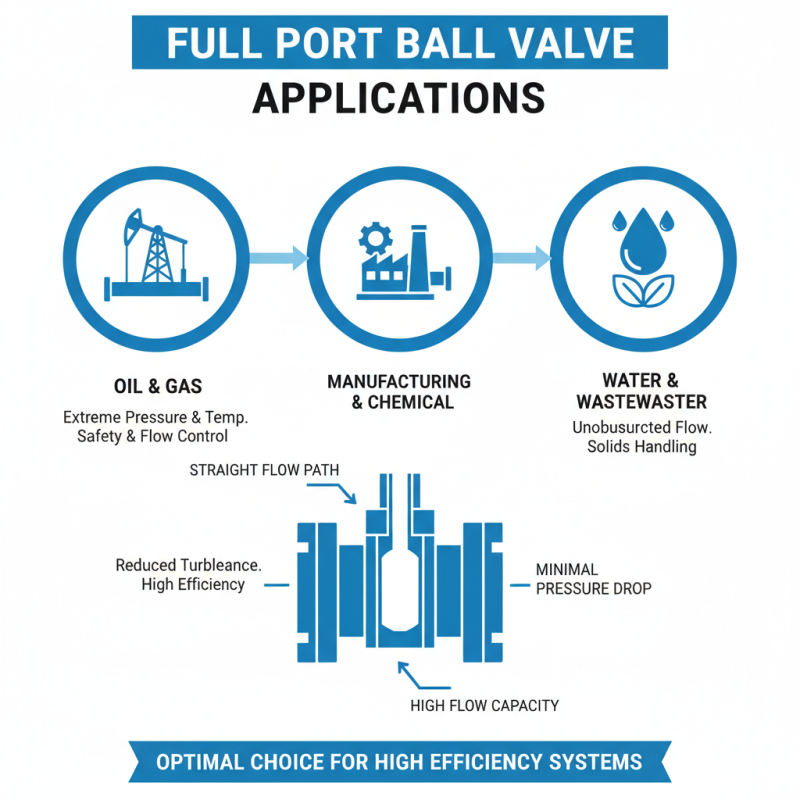
Full port ball valves are widely used across various industries due to their unique design and functionality. These valves allow for a straight, unobstructed flow path. This feature reduces turbulence and pressure drops, making them an optimal choice for applications requiring high efficiency. In the oil and gas sector, full port ball valves are essential for controlling flow and ensuring safety. They withstand extreme pressures and temperatures, making them reliable in demanding environments.
In the water treatment industry, these valves help manage large volumes of water efficiently. Their construction minimizes the risk of blockages, ensuring smooth operations. Full port ball valves are also favored in food and beverage processes. They meet stringent hygiene standards. Reliable operation in these sectors is crucial, as any malfunction could have significant consequences.
Tips: When selecting a valve, consider the fluid type and pressure requirements. It’s important to conduct regular maintenance checks. Inspect the seals and fittings to ensure they are in good condition. A minor oversight can lead to leaks or failures, impacting your operational efficiency. Always refer to guidelines for proper installation and use.
Comparing Full Port and Reduced Port Ball Valves
When comparing full port ball valves and reduced port ball valves, the differences in performance and efficiency become clear. Full port ball valves feature a larger diameter through the ball, allowing unrestricted flow. This design can reduce pressure drops significantly, often by up to 20%, compared to reduced port configurations. The unrestricted flow minimizes turbulence and enhances energy efficiency, crucial for industries that rely on precise fluid control.
Reduced port ball valves possess a smaller diameter, which creates restrictions that can lead to higher pressure losses. While suitable for less demanding applications, they may not be ideal for systems that require maximum flow efficiency. An industry report by the American Society of Mechanical Engineers highlights that systems utilizing full port valves can achieve better energy efficiency, leading to cost savings in long-term operations.
Tip: When selecting valves, consider the specific requirements of your system. Ensure the valve type aligns with your flow rate and pressure needs. Always analyze long-term operational costs for the best investment.
Understanding your application's needs can guide you in choosing the right valve. Blancing cost against performance is essential. Not all systems benefit from full port valves, especially in less demanding situations. Reflect on these choices to ensure optimal fluid control in your operations.