7 Best High Pressure Ball Valves for Industrial Use

Choosing a high pressure ball valve is not simply a matter of selecting the highest pressure rating. The right choice depends on the fluid, operating temperature, cycle frequency, connection type, and maintenance plan. Small differences matter. A valve installed on a gas line may face different demands from one handling hot process liquid or abrasive slurries.

Industry data shows why careful selection matters. Grand View Research estimated the global industrial valves market at USD 79.1 billion in 2022, with projected growth through 2030. Its report covers a broad valve category, not a ranking of high-pressure ball valves. That distinction is important. The U.S. Energy Information Administration describes a U.S. natural gas pipeline network spanning more than three million miles, illustrating the scale of infrastructure where reliable flow control is essential. But network size alone cannot identify the best valve for a specific duty.

This guide compares seven options using practical criteria: pressure and temperature limits, body and seat materials, sealing performance, actuation, serviceability, and published test information. API 6D and ASME B16.34 offer relevant design and pressure-rating frameworks, but buyers should verify the applicable requirements against each product’s current datasheet. A catalog rating is not a full operating assessment. Real installations include wear, fluid variation, and imperfect maintenance records. The recommendations that follow are useful starting points, not substitutes for application-specific engineering review.
7 Best High Pressure Ball Valves for Industrial Use

Define High-Pressure Service Using ASME B16.34 Classes 150–2500

High-pressure service should be defined by operating conditions, not by the phrase “high pressure” alone. ASME B16.34 assigns pressure-temperature ratings to valves across Classes 150 through 2500. These class numbers are not direct pressure values in psi. The permitted pressure depends on the valve’s material group and operating temperature. A Class 600 valve, for example, may have a different allowable pressure at elevated temperature than at ambient conditions.

When selecting a ball valve, compare the system’s maximum operating pressure and temperature with the applicable B16.34 rating table. Include startup surges, pressure fluctuations, and the fluid’s properties in the review. Check the valve’s pressure boundary materials and confirm that its design and end connections suit the piping specification. Class alone is not enough. A rating that looks adequate on a data sheet can become unsuitable when temperature rises or operating conditions change. Verify the applicable standard edition and project requirements with qualified engineering personnel.

Tips: Record maximum pressure and temperature, including brief peaks. Match both values to the correct material group. Leave room for uncertainty; field conditions are not always as neat as the design sheet.

Compare 7 Ball-Valve Designs by Port, Body, Seat, and Actuation

7 Best High Pressure Ball Valves for Industrial Use
Compare 7 Ball-Valve Designs by Port, Body, Seat, and Actuation

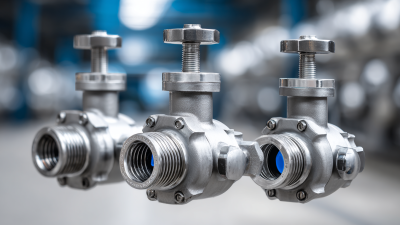
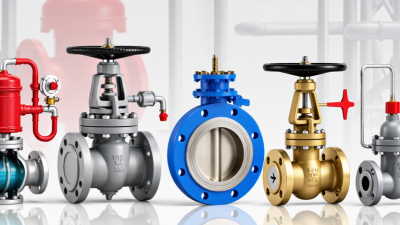
A full-port valve has a wide opening that limits flow restriction, while a reduced-port design is often more compact. V-port balls help regulate flow, but their shaped openings need careful sizing. Floating-ball designs seal through line pressure. Trunnion-mounted balls use supports to reduce operating torque in larger, higher-pressure lines. These are different design choices, not interchangeable upgrades.

Body material matters: forged steel is common in demanding service, while stainless steel may suit corrosive process fluids. Soft seats, such as polymer types, can provide tight shutoff within their temperature limits. Metal seats handle harsher heat or abrasive media, though shutoff performance may differ. Manual levers suit smaller valves; gear operators ease effort on larger ones. Pneumatic, electric, or hydraulic actuators support remote control, but add controls and maintenance needs. A tidy specification sheet can still miss a real operating detail.

Tips: Check pressure and temperature ratings together, not separately. Confirm fluid compatibility, port size, end connections, and required shutoff class. Ask how often the valve will cycle. A high-pressure rating alone does not prove the design fits your process.

Match Valve Materials to Pressure, Temperature, and Process Media

Choosing a high-pressure ball valve starts with the actual operating conditions, not the pressure number alone. Pressure ratings can change with temperature, so check the manufacturer’s pressure-temperature data for the valve’s exact size and configuration. A valve rated for a cool water line may not be suitable for hot service. Small details matter.

Match the body, ball, stem, and seats to the process media. Carbon steel can suit many non-corrosive services, while stainless steel may offer better resistance to moisture or certain chemicals. Neither is universal. Chlorides, acids, and cleaning agents can affect alloys differently, and seat materials such as PTFE or reinforced polymers have their own temperature and compatibility limits. Confirm media compatibility against documented data, including concentration and operating temperature. A tidy material chart helps, but it may miss occasional cleaning chemicals or short temperature spikes. Those are easy to overlook.

Tips: Check pressure and temperature together, then verify the valve’s materials and seal limits. Ask whether the line sees pressure surges, abrasive particles, or frequent cycling. A sample process specification and the fluid’s safety data can help suppliers assess compatibility. If conditions vary, record the highest credible temperature and pressure—not just the normal readings. That extra check can prevent a costly mismatch.

7 Best High Pressure Ball Valves for Industrial Use — Match Valve Materials to Pressure, Temperature, and Process Media
Valve Selection Body and Trim Materials Best-Fit Process Media Pressure and Temperature Considerations Key Selection Notes
1. Forged carbon-steel trunnion-mounted ball valve Forged carbon-steel body; stainless-steel ball and stem; soft or metal seats selected for the service. Oil, natural gas, water, and other compatible non-corrosive process fluids. A strong option for high-pressure pipeline and isolation duties. The allowable pressure decreases as temperature rises and depends on the valve’s pressure class, size, materials, and design. Trunnion support reduces operating torque on larger or higher-pressure valves. Verify corrosion allowance, low-temperature impact requirements, fire-safe design, and applicable pipeline specifications.
2. Stainless-steel floating ball valve Forged or cast 316 stainless-steel body; 316 stainless-steel ball and stem; PTFE, reinforced PTFE, or other service-compatible seats. Clean water, many solvents, and mildly corrosive fluids compatible with 316 stainless steel and the selected seat materials. Suitable for high-pressure service within the specific valve’s rated envelope. Floating-ball designs are generally most practical at smaller sizes because line pressure loads the ball against the downstream seat. Check chloride concentration, temperature, and crevice-corrosion risk before selecting 316 stainless steel. Confirm seat compatibility and pressure-temperature ratings from the valve documentation.
3. Duplex stainless-steel trunnion ball valve Duplex stainless-steel pressure-containing parts; compatible stainless or duplex trim; service-specific seat and seal materials. Chloride-containing water, seawater-related duties, and selected oil-and-gas or chemical services. Can be considered for demanding pressure service, but the permitted operating pressure and temperature are determined by the valve rating, material grade, and design rather than alloy strength alone. Offers a useful combination of strength and resistance to some forms of chloride stress-corrosion cracking. Confirm the exact duplex grade, weld or casting quality, and suitability for the actual chloride and temperature conditions.
4. Super duplex stainless-steel trunnion ball valve Super duplex stainless-steel body and trim; seats and seals selected for the process and operating temperature. Seawater, brine, and other chloride-rich services where the selected grade is suitable. Used in demanding pressure applications, subject to the certified pressure-temperature rating and any limits associated with the seat, seal, and end connections. Material suitability depends on chloride level, temperature, oxygen content, and fabrication quality. Specify the required grade and verify corrosion testing or project qualification requirements.
5. Nickel-alloy ball valve for corrosive chemical service Nickel-alloy pressure boundary and/or wetted trim, selected for the specific chemical; compatible seat and seal materials. Selected acids, alkalis, and mixed chemical streams where carbon steel or standard stainless steel is not suitable. High-pressure suitability is design-specific. Chemical resistance and mechanical strength must both be checked at the maximum operating temperature and pressure. Do not select an alloy by name alone: corrosion performance can change substantially with concentration, temperature, impurities, and flow conditions. Obtain a process-specific materials review.
6. Cryogenic stainless-steel ball valve Low-temperature-qualified stainless-steel body and trim; extended bonnet where required; cryogenic-compatible seats and seals. Liquefied gases and other very-low-temperature fluids when the materials and valve construction are qualified for the service. Pressure rating must be confirmed at the minimum and maximum design temperatures. Thermal contraction and seat performance are critical in addition to the nominal pressure class. Look for specified low-temperature material testing, suitable stem packing, and design features that manage cold fluid and prevent trapped-liquid pressure hazards where relevant.
7. Metal-seated, hard-faced ball valve Pressure-rated alloy-steel or stainless-steel body; hard-faced ball and seats; trim alloy selected for corrosion, erosion, and temperature conditions. Abrasive, erosive, high-temperature, or dirty process streams where soft seats may wear or exceed their service limits. Can support severe pressure and temperature duties when engineered for them. Actual limits depend on body rating, hard-facing system, thermal clearances, and leakage requirements. Metal seats typically do not provide the same tight shutoff as soft seats. Confirm acceptable leakage class, particle characteristics, cycling frequency, and the need for fire-safe or emissions qualification.
Selection note: A valve’s pressure rating is not determined by body material alone. Confirm the applicable pressure-temperature rating, size, end connection, seat and seal limits, design standard, and required testing on the manufacturer’s certified technical documentation. Material compatibility should be reviewed against the actual process composition and operating conditions.

Check Pipeline and Shutoff Requirements Against API 6D and ISO 5208

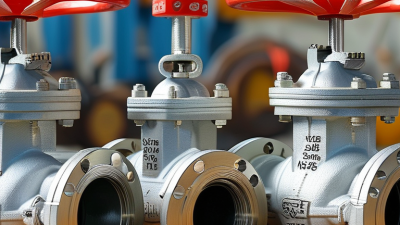
A high-pressure ball valve should match the pipeline duty, not just its pressure rating. API 6D covers pipeline valve design and testing requirements where the project specifies that standard. ISO 5208 sets pressure-testing procedures and leakage-rate criteria for industrial valves. They serve different purposes. Check the required editions and confirm that the valve’s documentation identifies the applicable tests and acceptance criteria.

Start with the operating pressure, temperature, fluid, and line size. Then check whether the valve must isolate flow from one or both directions. That matters. Specify the permitted seat leakage; “tight shutoff” alone is too vague for procurement. Ask whether testing covers the complete assembly and whether the test medium matches the stated procedure. A pressure class by itself does not prove shutoff performance under real service conditions. For example, a valve tested at ambient temperature may behave differently in a hot line. Review test reports, material records, and end-connection details, and confirm they match the actual order. One detail can be easy to miss: trapped pressure in the ball cavity may affect maintenance and safe operation. Verify the design and operating instructions before installation.

7 Best High Pressure Ball Valves for Industrial Use

Compare pressure class requirements with pipeline service conditions, then verify valve design and pressure testing against API 6D and ISO 5208.

The chart shows ASME B16.34 pressure ratings for ASTM A105 carbon steel at −20 to 100°F. These ratings vary by material and temperature; API 6D and ISO 5208 address valve and pressure-test requirements, not pressure-class ratings. Confirm the applicable rating and test acceptance criteria for the selected valve and service.

Select and Maintain Valves Within Their Rated Pressure–Temperature Limits

A high-pressure ball valve is suitable only when its rated pressure and temperature match the actual operating conditions. Check the rating at the fluid’s expected temperature, not just at room temperature. Allow for start-up surges, pressure spikes, and rapid temperature changes. Pressure is not enough. The valve body, seats, seals, and end connections must all suit the service fluid and operating range. A rating on one component does not guarantee the whole assembly is suitable.

Before selection, compare the valve’s documented pressure–temperature limits with normal and upset conditions. Consider how often the valve cycles, whether the fluid carries particles, and whether the line can experience thermal shock. A common blind spot is treating the maximum pressure as a continuous operating target. It may leave too little margin. Verify the applicable data with the valve supplier or a qualified engineer, especially when conditions fluctuate.

Maintenance should preserve the original rating, not merely restore movement. Inspect for leakage, corrosion, worn seats, and damaged connections at planned intervals. Use compatible replacement seals and follow the documented service procedure. Small details matter. After installation or repair, check operation under controlled conditions and confirm that supports do not place strain on the body. It is easy to overlook a rising temperature during routine checks, so record both pressure and temperature trends.