In various industries, the right valve selection is crucial for system efficiency. The 3 way ball valve stands out as a versatile solution. According to industry reports, the ball valve market is projected to grow at a CAGR of 5.4% through 2026. This highlights the increasing demand for reliable flow control systems.
Choosing the best 3 way ball valve requires understanding specific needs. Factors like pressure, temperature, and fluid type play key roles. An unsuitable choice can lead to efficiency losses or costly repairs. Many users overlook these details, which can be detrimental.
It’s essential to evaluate valve materials and design. Some valves might fail under certain conditions. This could lead to leaks or operational failures. Hence, reflecting on these aspects ensures more informed decisions. By doing so, one can achieve optimal performance and reliability in their operations.
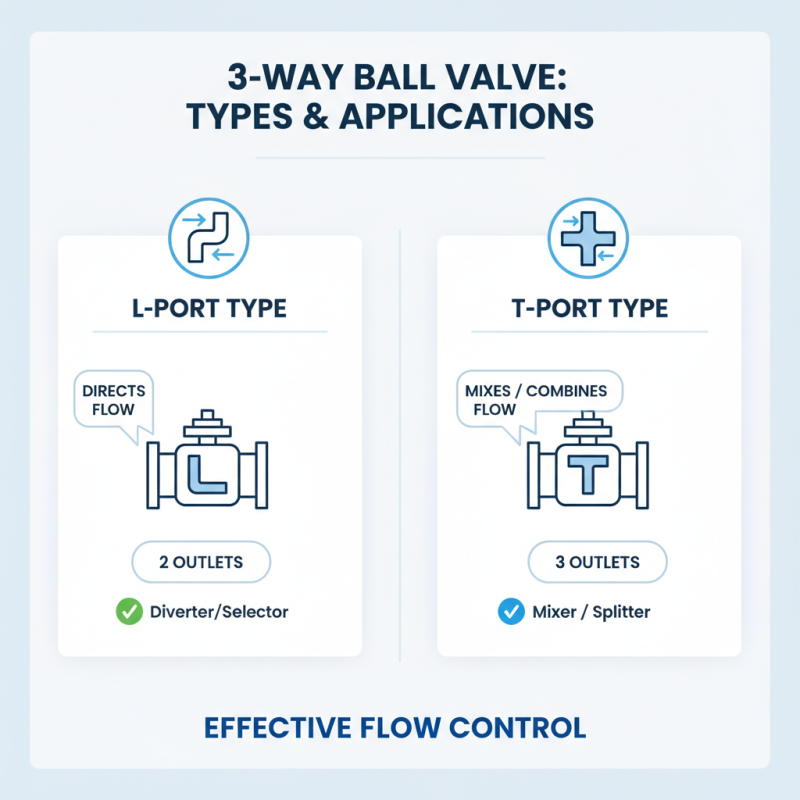
When selecting a 3 way ball valve, understanding its types and applications is crucial. These valves come in various designs, primarily the L-port and T-port configurations. L-port valves direct flow between two outlets, while T-port valves can connect all three ports. This functionality helps control flow effectively.
Tips: Always consider your system's pressure and temperature requirements. Choosing the wrong valve can lead to leaks or failures.
Common applications for 3 way ball valves include HVAC systems, water treatment, and industrial processes. Their versatility makes them valuable in any plumbing setup. However, ensure you also evaluate the material of the valve. Some materials may not withstand harsh chemicals or extreme temperatures.
Tips: Regular maintenance is essential for longevity. Inspect your valves periodically to avoid unexpected breakdowns. Make a checklist for your regular checks!
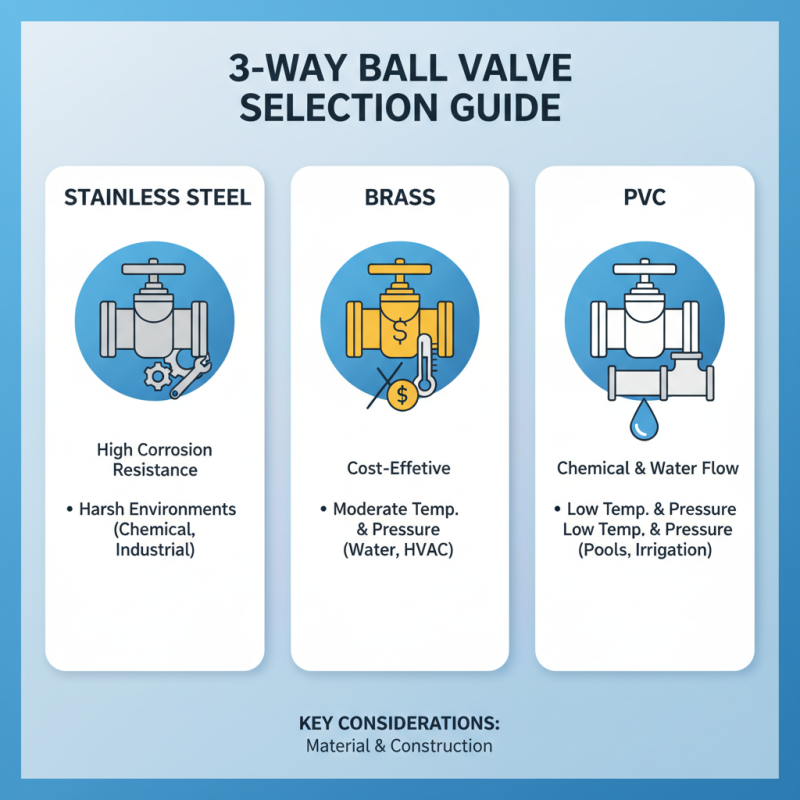
When choosing a 3-way ball valve, several crucial factors must be considered. The valve's material is essential. Common materials include stainless steel, brass, and plastic. Each material has its strengths and weaknesses. Stainless steel offers durability but can be expensive. Brass is cost-effective, while plastic is lightweight but less robust.
Another critical aspect is the valve's flow pattern. There are two main types: L-port and T-port configurations. L-port valves are suitable for diverting flow. They are great for applications needing straightforward flow redirection. T-port valves allow for mixing flows, offering more versatility. According to industry analysis, around 60% of applications require a T-port design for improved efficiency and control.
Lastly, pressure rating should not be overlooked. Higher pressure ratings ensure reliability in demanding environments. Reports suggest that choosing a valve rated to handle 150 psi or more is often necessary in industrial applications. Many users ignore this, leading to premature valve failures. An incorrect pressure rating can lead to safety hazards, making it a vital consideration.
When selecting a 3-way ball valve, material and construction are crucial. Common materials include stainless steel, brass, and PVC. Each material has unique properties affecting its performance in different environments. For instance, stainless steel offers high corrosion resistance, making it ideal for harsh conditions. Meanwhile, brass is more cost-effective but may not withstand extreme temperatures.
Tips: Always consider the medium being handled. For water and steam, stainless steel is often recommended.
The construction of the valve matters too. Look for well-engineered designs with minimal leakage points. A common issue is insufficient sealing, which can lead to failures. A high-quality valve design reduces risks of leaks and ensures durability.
Tips: Regular maintenance can extend the life of valves. Inspect for signs of wear, especially in critical applications.
In some cases, overly complex designs can complicate repairs. This can be counterproductive. A simpler, robust design is often more reliable. Make sure to weigh these factors to choose the valve that fits your needs best.
When selecting a 3-way ball valve, installation and maintenance are crucial for performance. Proper installation starts with ensuring that the valve orientation aligns with the flow direction. According to industry reports, incorrect positioning can lead to significant leaks and reduced efficiency. Ensure to use proper tools and follow the manufacturer's guidelines closely.
Maintenance is equally important. Regular inspections can prevent unexpected failures and extend the valve's lifespan. A study showed that routine maintenance can enhance valve reliability by up to 30%. In addition, apply a suitable lubricant to the valve stem to minimize friction and wear.
Tips: Always check for corrosion, especially in harsh environments. Replace seals if any wear is evident. It's wise to document maintenance activities for better tracking. Remember, neglecting these details can lead to costly downtime and repairs in the long run.
When considering the purchase of a 3-way ball valve, budgeting is crucial. The average cost of these valves can range significantly, typically between $100 and $500. A report from the Valve Manufacturer's Association indicates that the price variation often depends on materials used and valve sizes. Opting for brass over stainless steel might save money, but may compromise durability.
It's essential to factor in long-term costs. Lower-quality valves can lead to maintenance issues, increasing operational expenses. A report from Industry Trends highlights that improper valve choices can result in a 20% increase in system inefficiencies. This could cost your business significantly over time.
Additionally, consider installation costs, which can add a considerable amount to your budget. An article from the Journal of Fluid Control noted that hiring a skilled technician for installation can cost around $100 per hour. Investing time in selecting the right valve now can mitigate higher replacements later. Balancing upfront costs against potential long-term savings is key.
| Feature | Consideration | Cost Implication |
|---|---|---|
| Material | Choose from brass, stainless steel, or plastic | Brass is cost-effective; stainless steel is more expensive but durable |
| Size | Determine the pipe diameter | Larger sizes can increase costs |
| Actuation Type | Manual, electric, or pneumatic | Electric and pneumatic actuators generally cost more |
| Pressure Rating | Select based on application pressure requirements | Higher ratings typically come with higher costs |
| Seal Type | Teflon, rubber, or metal seals | Teflon provides better resistance but may be pricier |
| Maintenance | Consider accessibility for repairs | Easier access can reduce long-term maintenance costs |
| Installation | Professional installation may be required | DIY installations can save costs |