Top 3D Lenticular Printing Suppliers for Global Buyers
Global buyers need more than a striking sample when choosing a 3D Print Lenticular supplier. They need repeatable image depth, clean alignment, reliable color, and clear production communication. A sample that shifts smoothly under a desk lamp can look impressive; misregistered edges become obvious just as quickly. Small details matter.
This guide examines three suppliers through practical sourcing criteria: print quality, materials, customization, production capacity, shipping support, and responsiveness. Ask for physical samples, confirm image dimensions and viewing conditions, and request written specifications before approving a large run. Compare like with like. A low quote may exclude finishing, packaging, or freight, so check the full scope. Supplier capabilities can change, and one successful sample does not guarantee consistent bulk production.
Trust also depends on traceable claims. No verifiable source was provided for a named 3D Print Lenticular expert quotation, so I won’t invent one. That is worth noting. Buyers should seek documented examples, transparent lead times, and direct answers about quality control. This shortlist offers a starting point, not a universal ranking; the best partner depends on the project, destination, and required finish.
Understanding 3D Lenticular Printing and Its Applications
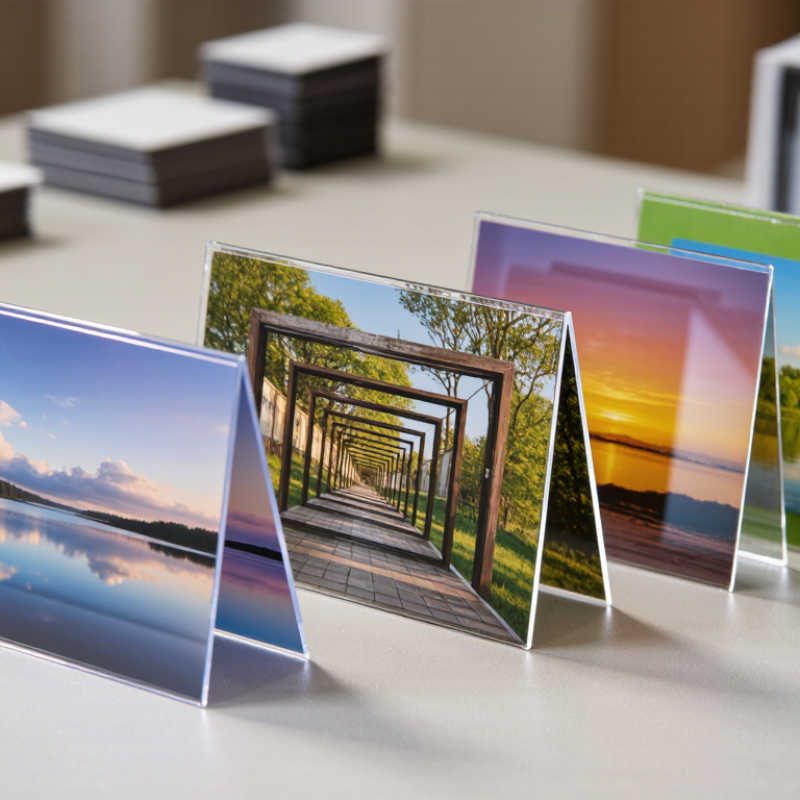
3D lenticular printing uses a clear, ridged plastic lens sheet placed over specially prepared images. Each narrow lens directs different image strips toward the viewer’s eyes. This creates depth, motion, or a changing picture as someone shifts position. The effect is immediate. Unlike a screen, the printed piece needs no power or moving parts.
The artwork must be interlaced to match the lens pitch, or the images may appear blurred or doubled. Viewing distance matters, too: a small card is usually held close, while a retail display needs to work from several steps away. Printers often test proofs under ordinary indoor lighting, since glare can weaken the effect. Small details matter. Fine text and delicate edges may look less crisp than they do in a flat print.
Common uses include packaging, point-of-sale displays, postcards, book covers, and educational visuals that show an object from several angles. A product box might reveal a layered image as a shopper moves past it; a poster can suggest depth without adding electronic components. Lenticular effects are not automatically suitable for every design. Busy artwork can feel confusing, and strong 3D depth may become uncomfortable from an awkward angle. A restrained effect often communicates more clearly, though that choice can feel less dramatic.
Understanding 3D Lenticular Printing: Common Application Formats
Lenticular printing uses a lens sheet over an interlaced image to create effects such as depth or motion. The chart compares example dimensions for familiar print formats that can be adapted for lenticular projects.
Dimensions shown are common U.S. print-format examples: business card (3.5 × 2 in), postcard (6 × 4 in), and poster (18 × 24 in). Actual lenticular dimensions vary by project and supplier.
Key Criteria for Evaluating Global Printing Suppliers
A global supplier should be judged by repeatable print quality, not by a polished sample alone. Ask how the team controls image layers, lens alignment, and color across production runs. Request a physical proof made with the intended artwork, lens sheet, and finishing method.
Small defects matter. Look closely at fine text, edges, and motion transitions under ordinary room lighting.
Check whether the supplier can explain viewing angle and lens pitch in practical terms. A useful test is to view the proof from several distances and angles, then compare it with the approved reference. Ask for documented quality checks, realistic production schedules, and packaging details that protect sheets or finished pieces from scratches and pressure. For international orders, clarify who handles export documents, shipping updates, and damage claims. Do not assume that a low quote includes these steps.
Communication is also evidence of capability. Send a short specification and note how clearly the supplier flags missing details, such as file resolution or trim tolerance. Price matters, but unusually vague answers deserve a second look. Even a capable supplier may miss a detail; a clear correction process is more useful than a promise of perfection. Verify any quality certificates directly and confirm what processes they cover.
Profiles of Leading 3D Lenticular Printing Suppliers
Top 3D Lenticular Printing Suppliers for Global Buyers
Profiles of Leading 3D Lenticular Printing Suppliers
Leading 3D lenticular suppliers generally fall into three groups: specialist converters, commercial print houses, and display-focused manufacturers. Specialists often offer fine lens-pitch calibration and depth or flip effects. Commercial printers may suit larger runs, while display suppliers can provide mounted panels and ready-to-install graphics. Ask for a physical proof. Check whether image transitions stay clean at normal viewing distance, not only under studio lighting. Registration errors show quickly as doubled edges.
Smithers’ report, The Future of Global Printing to 2028, projects the global print market to grow from about US$818 billion in 2023 to US$874 billion in 2028. This broad market estimate is not specific to lenticular printing, but it reflects demand for varied print formats. For a supplier comparison, review sample quality, lens material, color consistency, minimum order quantity, and shipping protection. A low unit price can hide costly reprints. Ask suppliers to specify tolerances and proof approval steps in writing.
Tips: Send the same artwork and viewing requirements to each supplier. Request a sample with fine text and sharp edges. Then inspect it by window light. Some samples look impressive on a screen, yet feel less convincing in hand.
Top 3D Lenticular Printing Suppliers for Global Buyers - Profiles of Leading 3D Lenticular Printing Suppliers
Supplier profiles below describe common provider types, not named or ranked companies. Capabilities vary by facility and project.
| Supplier profile | Typical services | Relevant production facts | Best suited to | Buyer checks |
| Specialist lenticular printer | Lenticular prepress, image interlacing, printing, lens-sheet selection, and finishing. | The interlaced image must be matched to the lens sheet’s pitch and aligned with its lenticules to produce the intended visual effect. | Projects where 3D depth, flip, or motion effects are central to the brief. | Ask for a physical proof, the supported lens pitches, viewing guidance, and confirmation of who handles interlacing and alignment. |
| Commercial wide-format printer with lenticular capability | Large-format graphics, display pieces, mounted prints, and selected lenticular jobs. | Lenticular output uses a printed image viewed through a lens sheet; print alignment and the chosen viewing distance affect the result. | Point-of-sale displays, posters, retail graphics, and other large visual pieces. | Confirm maximum finished size, substrate and mounting options, proofing method, packaging, and shipping protection. |
| Packaging or label converter offering lenticular print | Lenticular elements integrated into labels, promotional packaging, or product graphics, subject to the converter’s equipment and materials. | Packaging projects add requirements such as dieline fit, finishing compatibility, and performance through handling and distribution. | Campaign packaging and product decoration where the lenticular effect is part of a larger converted item. | Check material compatibility, adhesive or finishing requirements, production tolerances, quality-control samples, and applicable compliance needs. |
Common request details: finished size, quantity, artwork or source images, desired 3D or motion effect, intended viewing distance, material, finishing, delivery destination, and required delivery date.
Comparing Supplier Capabilities, Quality, and Pricing
For global buyers, compare lenticular suppliers on more than quoted price. Check lens pitch, print registration, color consistency, and whether proofs use the final stock. A small registration error can blur a moving image or split a face across frames. Ask suppliers to show samples under ordinary room lighting, not only studio lights. The Grand View Research Commercial Printing Market report valued the broader global market at USD 821.7 billion in 2023 and projected 2.8% annual growth through 2030. This is useful market context, not a lenticular-specific benchmark.
Quality checks should include a physical proof, agreed viewing distance, and inspection of several pieces from the production run. Ask how the supplier controls sheet alignment and handles rejects. Request pricing for the same quantity, size, lens type, finishing, packaging, and shipping terms. A low unit price may exclude setup, protective sleeves, or freight. A detailed quote makes comparisons fairer. Still, no checklist catches every production issue; even a carefully approved proof may not represent every finished sheet.
Tips: Send one artwork file and written specifications to each supplier. Compare delivered cost, lead time, and replacement policy. Keep a sample from the approved run for future checks.


