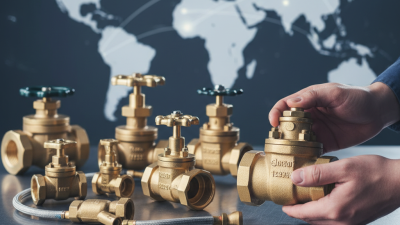
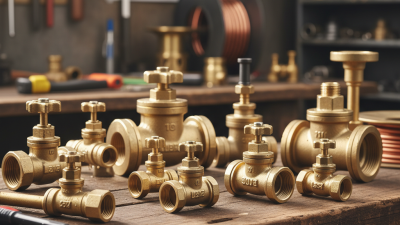
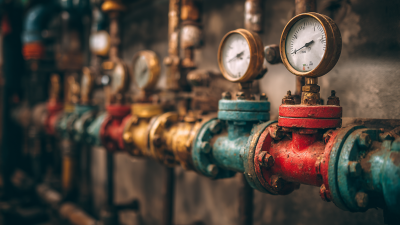
Brass valves are widely used in plumbing, heating, irrigation, and general fluid-control systems because brass combines practical strength with good machinability. But “brass” does not mean every valve suits every installation. Pressure, temperature, fluid type, connection style, and maintenance access all affect the choice. A valve that works well beneath a kitchen sink may be a poor fit for a high-flow industrial line.
This guide introduces ten common types: ball, gate, globe, butterfly, check, plug, needle, pressure-reducing, safety-relief, and hose-bib valves. Each serves a different purpose. Ball valves, for example, provide quick shutoff with a quarter-turn handle, while globe valves allow more controlled adjustment. Check valves help limit reverse flow. Simple distinctions. They matter in the field. A crowded cabinet, a visible pipe run, or a line that needs frequent isolation can change which design is most practical.
For global buyers, selection also requires attention to material specifications, connection dimensions, pressure ratings, and applicable product requirements in the destination market. Verify technical data with the supplier, especially when the fluid or operating conditions are unusual. Brass alloys and product quality can vary. That deserves scrutiny, not guesswork. The “top ten” are not a universal ranking; the right option depends on the system. This overview offers a starting point, while installation details and local requirements still need careful review.
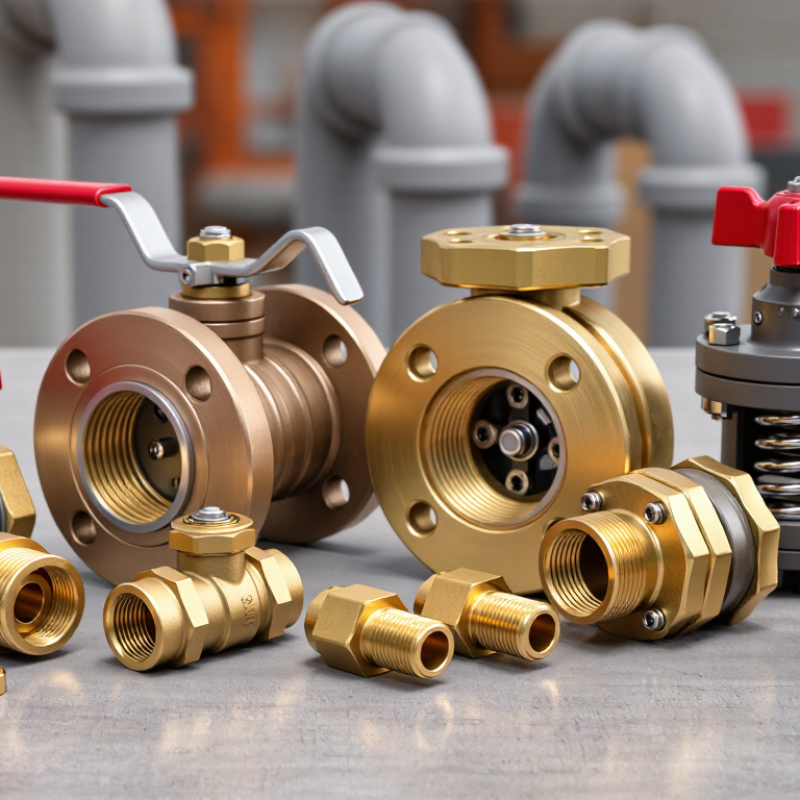
Brass valves control or redirect fluid by moving an internal closure element. Turning a handwheel or lever rotates or lifts a stem, changing the opening between the inlet and outlet. In a ball valve, a drilled sphere turns to align or block the flow path. Globe valves use a plug that moves toward a seat, allowing more gradual adjustment. The body’s brass alloy offers useful corrosion resistance in many water and air systems, but suitability depends on the fluid, temperature, pressure, and exact alloy. Small details matter.
Valve types are commonly classified by their closing mechanism and intended function. Ball valves provide quick shutoff; gate valves lift a wedge clear of the passage; globe valves regulate flow; and check valves close automatically when flow reverses. Angle valves change flow direction, while needle valves allow fine adjustment through a tapered tip. These categories can overlap with connection style, such as threaded or compression ends. Catalogs sometimes group them differently, which can make comparisons confusing. A valve’s name alone does not confirm its operating limits.
Tips: Check the flow arrow on the body, especially for check valves. Match pressure and temperature ratings to the actual system conditions, and inspect the seat and threads for damage before installation. For drinking-water service, verify that the valve is approved for that use in your market.
Brass valves serve water, heating, and general service lines, but each design controls flow differently. The USGS Mineral Commodity Summaries 2024 estimated world copper mine production at about 22 million metric tons in 2023; copper is a key brass ingredient, though supply figures do not predict valve performance. Check alloy, pressure rating, and application before selection.
Ball valves use a drilled sphere that turns 90 degrees for fast shutoff. They work well fully open or closed, but frequent throttling can wear the ball and seats. Gate valves lift a wedge from the flow path, offering little resistance when fully open. They are slower to operate and are poor choices for regulating flow. Globe valves move a disc toward a seat, giving finer control but creating greater pressure loss. Small details matter.
Check valves close against reverse flow, using a swing disc or spring-loaded element; installation orientation affects operation. Plug valves rotate a tapered or cylindrical plug with a port, making them compact and suitable for straightforward shutoff. Not every design fits every line. Buyers should compare pressure-temperature ratings, connection type, and material specifications against applicable industry standards, rather than relying on valve type alone. A useful selection mistake to reflect on: choosing for purchase price while overlooking service conditions can shorten valve life.
| Valve Type | Basic Design | How It Operates | Typical Uses | Selection Notes |
|---|---|---|---|---|
| Ball Valve | A quarter-turn valve with a drilled ball between seats inside the body. | Turning the handle about 90 degrees aligns the ball passage with the pipe for flow or places the solid side across the passage to shut off flow. | Water lines, plumbing isolation, and compatible air or general-service systems. | Provides quick on/off operation. Standard two-way ball valves are intended mainly for shutoff, not precise throttling. |
| Gate Valve | A threaded stem moves a wedge or gate up and down across the flow path. | Turning the handwheel raises the gate to open the passage or lowers it to close it. | Isolation in water distribution and building-service piping. | Designed primarily for fully open or fully closed service. A partly open gate can cause flow disturbance and seat wear. |
| Globe Valve | A movable disc or plug seats against an opening in a body with a direction-changing internal flow path. | The stem moves the disc toward or away from the seat, varying the opening. | Flow regulation and frequent adjustment in compatible water or utility systems. | Offers better throttling control than a typical gate valve, but its flow path generally creates more pressure loss. |
| Swing Check Valve | A hinged disc sits inside the body and swings away from the seat when flow moves forward. | Forward flow opens the disc; reverse flow moves it back onto the seat. | Preventing reverse flow in suitable horizontal or vertical-upward piping arrangements. | Installation orientation and minimum flow conditions matter. Check the product design for permitted mounting positions. |
| Lift Check Valve | A guided disc or piston moves vertically within the body onto and off its seat. | Forward pressure lifts the closing element; reverse pressure and gravity return it to the seat. | Compact non-return service in compatible piping systems. | Usually requires a specified flow direction and installation position. Confirm the manufacturer’s orientation requirements. |
| Plug Valve | A tapered or cylindrical plug with a port rotates inside the valve body. | A partial turn aligns the plug port with the pipe to open or turns it across the flow path to close. | On/off control in selected water, utility, or compatible process services. | Sealing design and operating torque vary. Verify media compatibility and whether the valve is intended for throttling. |
| Needle Valve | A fine-threaded stem with a narrow, pointed tip approaches a small seat opening. | Turning the handwheel moves the tip in small increments to adjust a low flow rate. | Fine adjustment, instrument lines, and small-bore systems where the valve is appropriately rated. | Useful for careful adjustment, but the small passage is not suited to high-flow service or dirty media that may obstruct it. |
| Angle Valve | A shutoff valve with inlet and outlet ports arranged at an angle, commonly 90 degrees. | A stem-operated disc or other closing element opens or closes the internal passage. | Fixture connections and piping layouts where a change in flow direction is convenient. | Check connection type, flow direction, and whether the specific design is intended for isolation or flow regulation. |
| Foot Valve | A non-return valve fitted with a strainer at the lower end of a pump suction line. | Forward suction flow opens the check element; reverse flow closes it to help retain liquid in the line. | Pump suction lines drawing from tanks, wells, or other liquid sources, where the valve and media are compatible. | The strainer needs suitable mesh and maintenance. Confirm that the valve’s pressure loss and materials suit the pump system. |
| Stopcock | A compact quarter-turn valve, often using a tapered plug, with a passage through the closing element. | Rotating the handle aligns the passage for flow or turns it away from the pipe to shut off flow. | Small-bore plumbing, appliance connections, and other compatible low-flow applications. | Designs differ in sealing and serviceability. Confirm the pressure rating, connection standard, and intended media. |
Brass-valve suitability depends on the alloy, seals, connection design, pressure, temperature, and fluid chemistry. Check the applicable product specifications and local requirements before selection.
Needle valves meter small flows with a tapered stem, making them useful for instrument lines and careful adjustments. Turn the handle slowly. Small changes matter.
Angle valves redirect flow through a right-angle body, which can simplify pipe routing near walls or equipment.
Foot valves sit at the end of a suction line and include a strainer and check mechanism. The strainer catches debris, but it needs regular inspection to avoid restricting flow.
Pressure-reducing valves lower incoming pressure to a steadier downstream level. They are often used where fixtures or appliances need controlled pressure. Set the outlet with a gauge, then check it while water is flowing; static readings alone can mislead.
Safety valves serve a different role: they open when pressure exceeds a set limit and release fluid or gas. Their set pressure, discharge path, and capacity must match the system. Never treat one as a routine shutoff.
Brass can work well in many water and general-service applications, but suitability depends on fluid chemistry, temperature, and pressure. Check the valve’s rated limits and connection type before installation. A mismatch may not show up immediately. That part is easy to overlook. In practice, the best valve is not simply the most precise or compact one; maintenance access and expected flow conditions matter too.
Brass valve types differ most in how they control flow. Ball valves open with a quarter-turn, making them useful for quick isolation on household water lines. Gate valves offer a relatively open passage when fully raised, but are poor choices for frequent throttling. Globe valves provide finer adjustment, though their curved flow path creates more pressure loss. Check valves stop reverse flow automatically; needle valves suit small, controlled flows.
Small differences matter.
Angle valves, bibcocks, float valves, radiator valves, and pressure-reducing valves each serve specific layouts or control needs. A familiar shape does not guarantee equal performance.
The Copper Development Association’s alloy database lists C69300 silicon brass at 2.7–3.4% silicon and no more than 0.09% lead. That composition can help buyers assess material suitability, but it does not establish a valve’s pressure rating. ISO 5208:2015 describes pressure tests for industrial valves, including shell and closure testing.
Ask suppliers for the applicable test results and operating limits. Check fluid, temperature, pressure, connection type, and expected cycling before comparing prices. This is not a perfect shortcut; real water conditions and installation quality can still change service life.
Global buyers should assess brass valves by alloy, water chemistry, and documented test methods—not by appearance alone. Lead content matters for potable-water applications, while dezincification resistance matters where water chemistry can attack zinc in brass. Ask for the alloy designation, applicable material standard, and test evidence. A polished surface proves little.
Compatibility is practical. Check pressure and temperature ratings, media, end connections, and sealing materials against the actual system. ISO 5208 covers pressure testing of industrial valves; ISO 228-1 specifies pipe threads where applicable. Requirements vary by market, so confirm the relevant drinking-water approvals before purchase. The World Bank’s 2006 review of non-revenue water reported losses of roughly 25–30% in many developing-country utility systems. That figure is not a valve-failure rate, but it shows why leakage control and reliable maintenance matter. A common blind spot is treating a certificate as a substitute for checking local water conditions. It is not. Compare test scope, not just certificate presence, and verify that the supplied valve matches the approved specification.
How global buyers assess materials, standards, and compatibility
The chart maps each valve type to its commonly intended function: 1 indicates a typical design purpose, not a performance rating. Actual functions depend on valve design and installation. Before purchasing, verify the brass alloy, applicable product and drinking-water standards, pressure and temperature limits, connection type, and compatibility with the fluid.