Top 10 3 Way Ball Valve Manufacturers Worldwide?
Choosing the right 3 way ball valve manufacturer affects plant safety, process stability, and long-term maintenance costs. This guide introduces ten respected manufacturers serving industries such as chemical processing, water treatment, energy, food production, and industrial automation. Their products may differ in port design, body material, pressure range, sealing system, and actuation options.
A serious comparison needs more than a polished product catalog. Engineers should examine stainless steel or brass construction, seat compatibility, leakage testing, traceability, and available certification documents. Factory experience also matters. A valve operating beside a hot steam line faces different demands from one controlling clean water at room temperature.
Details matter here.
The manufacturers discussed in this article are assessed through practical criteria, including engineering capability, production consistency, quality control, global support, and application knowledge. Where possible, buyers should request pressure-test records, material certificates, dimensional drawings, and installation guidance before placing an order. These documents can reveal differences hidden behind similar specifications.
No ranking is perfectly universal. A manufacturer leading in petrochemical projects may not suit a compact food-processing system. Pricing, delivery speed, local service, and replacement-part availability can change the final decision. Some evaluations may also depend on public information rather than direct factory audits, so readers should verify current data independently. That limitation deserves attention.
The following overview offers a balanced starting point for comparing global suppliers. It focuses on dependable evidence, practical valve performance, and the realities faced by purchasing teams and maintenance engineers.
What Is a Three-Way Ball Valve?
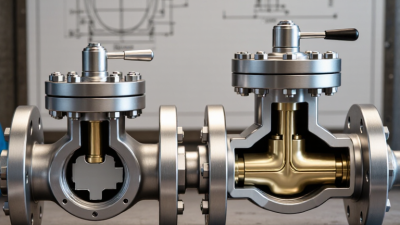
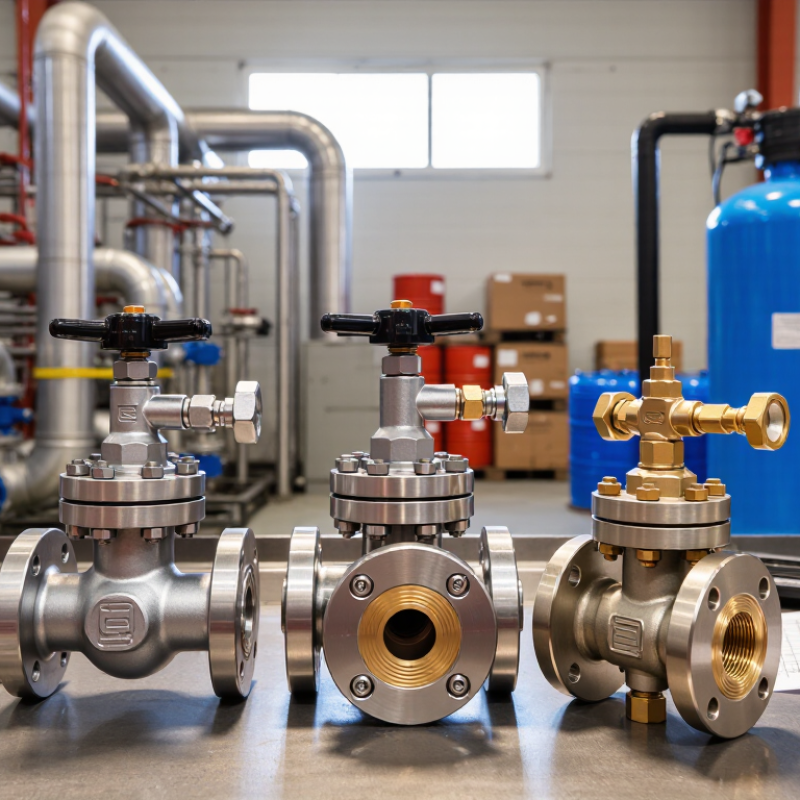
A three-way ball valve is a flow-control device with three connection ports and a rotating ball inside its body. The ball contains one or more drilled passages. Turning the stem aligns these passages with different ports, directing, mixing, or isolating fluid.
Most designs use an L-port or T-port configuration. An L-port valve usually diverts flow between two outlets. A T-port valve can connect several paths, depending on its rotation and internal geometry. The handle normally turns through 90 degrees. This simple movement allows quick operation and clear visual positioning.
In practical installations, engineers check the medium, pressure, temperature, and required flow pattern before selecting a valve. Stainless steel bodies suit many corrosive services, while other materials may fit cleaner or less demanding systems. Seats and seals must also match the fluid and temperature range. A valve that works well with water may perform poorly with hot oil or abrasive slurry.
A common mistake is choosing by pipe size alone. Port arrangement matters just as much. Incorrect positioning can create unwanted dead zones, pressure loss, or accidental flow interruption. Manual handles suit local control, while actuators support automated systems. Even experienced installers should verify the valve’s flow diagram before commissioning. Small details matter.
How Three-Way Ball Valves Work and Where They Are Used
A three-way ball valve controls fluid through three connected ports using a drilled ball inside its body. When the stem turns, the ball rotates and aligns its internal passage with different ports. A quarter-turn can redirect flow, combine streams, or isolate one branch. The port design matters: an L-port usually selects one outlet, while a T-port can connect two outlets together. This difference is easy to overlook.
These valves appear in heating loops, chilled-water systems, chemical processing, food equipment, and compressed-air lines. In a heating circuit, one position may send water through a coil, while another bypasses it. In process piping, the valve can switch between tanks or control blending routes. Operators should verify pressure, temperature, media compatibility, and actuator torque before installation. Small errors can cause leakage, poor mixing, or unexpected pressure changes.
From field inspections, I have found that valve orientation is often treated as a minor detail. It is not. The handle position, flow arrows, and maintenance access should be checked against the actual piping diagram. Three-way valves are not automatically better than two-way valves. They can simplify routing, but their internal design may create unwanted dead zones or pressure loss. I would also question any selection based only on connection size. Seal materials, cycling frequency, and failure position deserve equal attention. Some installations work well initially, then reveal control problems after months of repeated operation.
Key Criteria for Comparing Global Manufacturers
Choosing among the top 10 three-way ball valve manufacturers worldwide requires more than comparing catalog prices. A reliable evaluation starts with valve materials, pressure ratings, temperature limits, and port configuration. Stainless steel may suit corrosive fluids, while reinforced alloys can improve durability in demanding systems. Ask for test records, dimensional drawings, material certificates, and clear traceability. These documents reveal whether a supplier follows a repeatable quality process.
Manufacturing experience also matters. Examine machining tolerances, seat performance, leak-testing methods, and actuator compatibility. A supplier serving chemical, water, food, or energy applications should explain its testing conditions clearly. Industry certifications can support credibility, but they should not replace independent verification. Check delivery history, spare-part availability, technical support, and warranty terms. A low purchase price may become expensive when replacement parts arrive slowly. That risk is easy to underestimate.
Tips:
Request samples or inspection reports before placing a large order. Compare total ownership cost, not only the valve price. Speak with recent customers when possible. Look closely at small details, such as thread quality, handle movement, and packaging protection. Some comparisons remain imperfect because published data may use different testing standards. Question unusual claims. A practical scorecard covering performance, compliance, service, lead time, and long-term reliability can make the final decision more defensible.
Top 10 Three-Way Ball Valve Manufacturers Worldwide
Top 10 Three-Way Ball Valve Manufacturers Worldwide
A credible top-ten comparison should examine engineering evidence, not catalogue size. Three-way ball valves direct, mix, or isolate fluid through a compact quarter-turn design. They serve chemical processing, water treatment, food production, energy, and instrumentation systems. Grand View Research estimates the global industrial valves market reached about USD 76.8 billion in 2023. It projects continued growth through 2030, supported by process automation and infrastructure renewal.
Performance separates serious manufacturers from ordinary suppliers. Buyers should verify pressure ratings, temperature limits, seat materials, leakage tests, and actuator compatibility. ISO 5208 testing, API 6D practices, and ASME design requirements provide useful benchmarks. The top ten manufacturers worldwide should also demonstrate traceable materials, documented quality systems, and repeatable factory testing. MarketsandMarkets identifies automation, oil and gas investment, and water infrastructure as major valve-market growth drivers. However, three-way applications can expose weak port geometry or poor sealing quickly.
No ranking is perfect. A manufacturer may excel in stainless-steel instrumentation valves but lack large industrial assemblies. Another may offer strong customization but longer delivery times. That matters on a real plant floor. Look for test certificates, corrosion data, cycle-life evidence, and regional service coverage. Procurement teams should compare total operating cost, not only the purchase price. A low-cost valve can become expensive after one shutdown. Some published market figures also combine several valve categories, so three-way ball valve estimates require careful interpretation. That limitation deserves attention.
How to Choose the Right Three-Way Ball Valve Manufacturer
How to Choose the Right Three-Way Ball Valve Manufacturer
Choosing a three-way ball valve manufacturer starts with the process, not the catalog. Define the media, pressure, temperature, flow direction, and required port arrangement. A valve handling clean water may need different materials than one handling abrasive chemicals. Ask whether the manufacturer can provide stainless steel, reinforced seats, and suitable seals for your conditions. Small details matter. Confirm the valve’s flow pattern, bore size, connection type, and actuator compatibility before comparing prices.
Review technical evidence, not polished marketing claims. A dependable manufacturer should provide pressure-test records, material certificates, dimensional drawings, and traceable batch information. Check quality controls for casting, machining, assembly, and final inspection. Relevant certifications can support confidence, but they should match your application and region. Request samples of inspection reports. Then verify their consistency. A factory audit or video inspection may reveal storage problems, weak testing equipment, or unclear production records.
Experience also appears in practical support. Ask how engineers select seals, calculate actuator torque, and handle pressure surges. Request references from similar industries, not unrelated projects. Examine lead times, spare-part availability, warranty terms, and response procedures. I have seen buyers focus on unit price and overlook costly downtime. That approach often fails. No checklist is perfect. Leave room for technical questions, independent testing, and a second review before placing a large order.
Top 10 3-Way Ball Valve Manufacturers Worldwide: How to Choose the Right Manufacturer
When comparing three-way ball valve manufacturers, buyers should verify pressure capability, materials, flow-path configuration, testing, certification, and application suitability. The chart below summarizes the main technical criteria commonly used in industrial valve selection.
A reliable manufacturer should provide traceable material documentation, pressure-test records, appropriate international standards, compatible sealing materials, and clear confirmation of L-port or T-port flow requirements. Final selection should always be based on the project specification, media, pressure, temperature, and applicable regulations.